Items filtered by date: December 2019
Wounds That Don't Heal Need to Be Checked
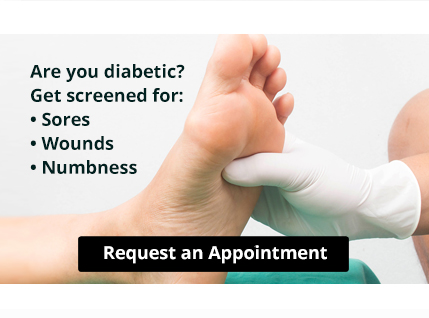
Your feet are covered most of the day. If you're diabetic, periodic screening is important for good health. Numbness is often a sign of diabetic foot and can mask a sore or wound.
The Function of the Achilles Tendon
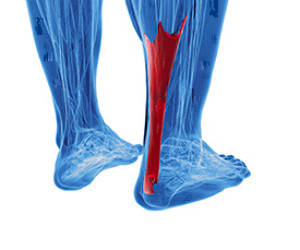 The portion of tissue that connects the calf muscles to the heel is referred to as the Achilles tendon. This tendon makes it possible to walk, in addition to participating in running and jumping activities. If this should become inflamed as a result of an injury or damage that has happened gradually, it may develop into tendonitis. Symptoms of this condition can consist of pain and discomfort surrounding the heel. It can occur if the wrong shoes are worn during exercising, if a new sport is started, or if walking and running take place on an uneven surface. When this tendon is injured, it may be difficult to walk, and the pain may be intense upon arising in the morning. Relief may be found when the affected leg is elevated, and this may help to diminish a portion of the swelling. If you have endured an Achilles tendon injury, it is strongly suggested that you seek the advice of a podiatrist who can help you to manage this condition.
Achilles tendon injuries need immediate attention to avoid future complications. If you have any concerns, contact Gregory Rorick, DPM of Rorick Podiatry, PC. Our doctor can provide the care you need to keep you pain-free and on your feet.
What Is the Achilles Tendon?
The Achilles tendon is a tendon that connects the lower leg muscles and calf to the heel of the foot. It is the strongest tendon in the human body and is essential for making movement possible. Because this tendon is such an integral part of the body, any injuries to it can create immense difficulties and should immediately be presented to a doctor.
What Are the Symptoms of an Achilles Tendon Injury?
There are various types of injuries that can affect the Achilles tendon. The two most common injuries are Achilles tendinitis and ruptures of the tendon.
Achilles Tendinitis Symptoms
- Inflammation
- Dull to severe pain
- Increased blood flow to the tendon
- Thickening of the tendon
Rupture Symptoms
- Extreme pain and swelling in the foot
- Total immobility
Treatment and Prevention
Achilles tendon injuries are diagnosed by a thorough physical evaluation, which can include an MRI. Treatment involves rest, physical therapy, and in some cases, surgery. However, various preventative measures can be taken to avoid these injuries, such as:
- Thorough stretching of the tendon before and after exercise
- Strengthening exercises like calf raises, squats, leg curls, leg extensions, leg raises, lunges, and leg presses
If you have any questions please feel free to contact our office located in New York Mills, Utica, NY . We offer the newest diagnostic tools and technology to treat your foot and ankle needs.
Who Does Sever’s Disease Affect?
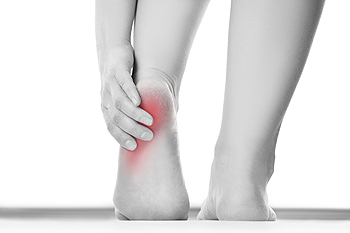 Teenagers and children who actively participate in running and jumping sporting activities may be familiar with Sever’s disease. This condition affects the growth plate in the heel, and it occurs as a result of the bones, muscles, and tendons growing at different rates. The symptoms that are typically associated with this condition can consist of walking on tiptoes, pain when the heel is squeezed, and it may be difficult to walk upon arising in the morning. Moderate relief may be felt when the affected foot is elevated, and it may help to wear shoe inserts which can provide additional support. If your child has developed Sever’s disease, it is advised that you consult with a podiatrist who can guide your child toward proper treatment.
Sever's disease often occurs in children and teens. If your child is experiencing foot or ankle pain, see Gregory Rorick, DPM from Rorick Podiatry, PC. Our doctor can treat your child’s foot and ankle needs.
Sever’s Disease
Sever’s disease is also known as calcaneal apophysitis, which is a medical condition that causes heel pain I none or both feet. The disease is known to affect children between the ages of 8 and 14.
Sever’s disease occurs when part of the child’s heel known as the growth plate (calcaneal epiphysis) is attached to the Achilles tendon. This area can suffer injury when the muscles and tendons of the growing foot do not keep pace with bone growth. Therefore, the constant pain which one experiences at the back of the heel will make the child unable to put any weight on the heel. The child is then forced to walk on their toes.
Symptoms
Acute pain – Pain associated with Sever’s disease is usually felt in the heel when the child engages in physical activity such as walking, jumping and or running.
Highly active – Children who are very active are among the most susceptible in experiencing Sever’s disease, because of the stress and tension placed on their feet.
If you have any questions, please feel free to contact our office located in New York Mills, Utica, NY . We offer the newest diagnostic and treatment technologies for all your foot and ankle injuries.
Bunion Surgery
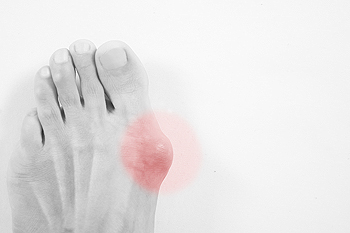 A bony protrusion on the bottom of the big toe may be indicative of a bunion. It develops as a result of wearing shoes that do not have enough room for the toes to move freely in, or it may come from certain genetic factors. They can cause severe pain and discomfort, and in certain cases, surgery may be necessary for permanent relief. Patients may be eligible for surgery if there is consistent pain while performing daily activities, or if you are unable to straighten or bend your big toe. There are specific types of bunion surgery. An osteotomy consists of cutting the joint in the big toe, and aligning it to it’s normal placement. An exostectomy is performed when the bunion is removed from the joint, and an alignment is not necessary. If metal plates are needed to correct the deformity, an arthrodesis may be performed. If you have a bunion, please consult with a podiatrist who can help you to determine if bunion surgery is correct for you.
Foot surgery is sometimes necessary to treat a foot ailment. To learn more, contact Gregory Rorick, DPM of Rorick Podiatry, PC. Our doctor will assist you with all of your foot and ankle needs.
When Is Surgery Necessary?
Foot and ankle surgery is generally reserved for cases in which less invasive, conservative procedures have failed to alleviate the problem. Some of the cases in which surgery may be necessary include:
- Removing foot deformities like bunions and bone spurs
- Severe arthritis that has caused bone issues
- Cosmetic reconstruction
What Types of Surgery Are There?
The type of surgery you receive will depend on the nature of the problem you have. Some of the possible surgeries include:
- Bunionectomy for painful bunions
- Surgical fusion for realignment of bones
- Neuropathy decompression surgery to treat nerve damage
Benefits of Surgery
Although surgery is usually a last resort, it can provide more complete pain relief compared to non-surgical methods and may allow you to finally resume full activity.
Surgical techniques have also become increasingly sophisticated. Techniques like endoscopic surgery allow for smaller incisions and faster recovery times.
If you have any questions please feel free to contact our office located in New York Mills, Utica, NY . We offer the newest diagnostic and treatment technologies for all your foot and ankle needs.
Diabetic Patients May Experience Loss of Feeling in Their Feet
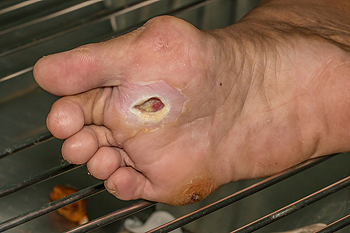 Many diabetic patients are aware of the necessity of checking their feet on a daily basis. This is helpful in noticing if there are any cuts or scrapes so treatment can begin as quickly as possible. Research has indicated that a large percentage of diabetic patients suffer from neuropathy, which is also known as nerve damage. This is a result of elevated glucose levels in the bloodstream, which can cause a loss of feeling in the feet. To keep your feet as healthy as possible, it is important to maintain normal glucose levels, wear shoes that fit correctly, and trim your toenails properly. If you have diabetes, it is strongly encouraged that you are under the care of a podiatrist who can remove existing corns and calluses in addition to guiding you toward managing your diabetes.
Diabetic foot care is important in preventing foot ailments such as ulcers. If you are suffering from diabetes or have any other concerns about your feet, contact Gregory Rorick, DPM from Rorick Podiatry, PC. Our doctor can provide the care you need to keep you pain-free and on your feet.
Diabetic Foot Care
Diabetes affects millions of people every year. The condition can damage blood vessels in many parts of the body, especially the feet. Because of this, taking care of your feet is essential if you have diabetes, and having a podiatrist help monitor your foot health is highly recommended.
The Importance of Caring for Your Feet
- Routinely inspect your feet for bruises or sores.
- Wear socks that fit your feet comfortably.
- Wear comfortable shoes that provide adequate support.
Patients with diabetes should have their doctor monitor their blood levels, as blood sugar levels play such a huge role in diabetic care. Monitoring these levels on a regular basis is highly advised.
It is always best to inform your healthcare professional of any concerns you may have regarding your feet, especially for diabetic patients. Early treatment and routine foot examinations are keys to maintaining proper health, especially because severe complications can arise if proper treatment is not applied.
If you have any questions please feel free to contact our office located in New York Mills, Utica, NY . We offer the newest diagnostic and treatment technologies for all your foot and ankle needs.
Bacteria and Sweaty Feet
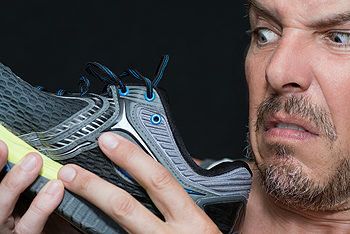 When the feet sweat continuously, it may be a condition that is known as plantar hyperhidrosis. Sweaty feet can be uncomfortable and may lead to bacterial and fungal infections. It is beneficial to wear socks and shoes that are made from a breathable material, which may help to control any odor that can come from the feet. Research has indicated that walking barefoot as often as possible may help to manage this condition, in addition to refraining from wearing the same pair of shoes for two days in a row. Some patients find it helpful to use an antiperspirant on their feet, as well as wear insoles that can absorb the sweat. If you are suffering from this condition, it is strongly suggested that you consult with a podiatrist who can help you to control plantar hyperhidrosis.
If you are suffering from hyperhidrosis contact Gregory Rorick, DPM of Rorick Podiatry, PC. Our doctor can provide the care you need to attend to all of your foot and ankle needs.
Hyperhidrosis of the Feet
Hyperhidrosis is a rare disorder that can cause people to have excessive sweating of their feet. This can usually occur all on its own without rigorous activity involved. People who suffer from hyperhidrosis may also experience sweaty palms.
Although it is said that sweating is a healthy process meant to cool down the body temperature and to maintain a proper internal temperature, hyperhidrosis may prove to be a huge hindrance on a person’s everyday life.
Plantar hyperhidrosis is considered to be the main form of hyperhidrosis. Secondary hyperhidrosis can refer to sweating that occurs in areas other than the feet or hands and armpits. Often this may be a sign of it being related to another medical condition such as menopause, hyperthyroidism and even Parkinson’s disease.
In order to alleviate this condition, it is important to see your doctor so that they may prescribe the necessary medications so that you can begin to live a normal life again. If this is left untreated, it is said that it will persist throughout an individual’s life.
A last resort approach would be surgery, but it is best to speak with your doctor to find out what may be the best treatment for you.
If you have any questions please feel free to contact our office located in New York Mills, Utica, NY . We offer the newest diagnostic and treatment technologies for all your foot and ankle needs.
