Items filtered by date: August 2024
Causes and Risk Factors of Plantar Fasciitis
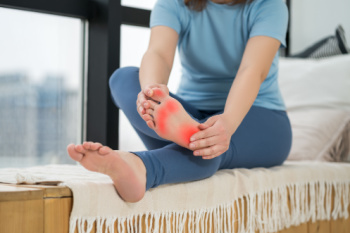
Plantar fasciitis is a common foot condition characterized by inflammation of the plantar fascia, a thick band of tissue that runs along the bottom of the foot from the heel to the toes. This inflammation typically occurs where the fascia attaches to the heel bone, causing sharp heel pain, particularly with the first steps in the morning or after prolonged periods of inactivity. The root cause of plantar fasciitis involves micro-tears and degeneration of the plantar fascia due to repetitive stress and strain. Risk factors include excessive physical activity, obesity, wearing inappropriate footwear, and having structural abnormalities, such as flat feet or high arches. Additionally, occupations requiring prolonged standing or walking can increase susceptibility. If you have heel pain, it is suggested that you contact a podiatrist who can accurately diagnose and treat plantar fasciitis.
Plantar fasciitis can be very painful and inconvenient. If you are experiencing heel pain or symptoms of plantar fasciitis, contact Gregory Rorick, DPM from Rorick Podiatry, PC. Our doctor can provide the care you need to keep you pain-free and on your feet.
What Is Plantar Fasciitis?
Plantar fasciitis is the inflammation of the thick band of tissue that runs along the bottom of your foot, known as the plantar fascia, and causes mild to severe heel pain.
What Causes Plantar Fasciitis?
- Excessive running
- Non-supportive shoes
- Overpronation
- Repeated stretching and tearing of the plantar fascia
How Can It Be Treated?
- Conservative measures – anti-inflammatories, ice packs, stretching exercises, physical therapy, orthotic devices
- Shockwave therapy – sound waves are sent to the affected area to facilitate healing and are usually used for chronic cases of plantar fasciitis
- Surgery – usually only used as a last resort when all else fails. The plantar fascia can be surgically detached from the heel
While very treatable, plantar fasciitis is definitely not something that should be ignored. Especially in severe cases, speaking to your doctor right away is highly recommended to avoid complications and severe heel pain. Your podiatrist can work with you to provide the appropriate treatment options tailored to your condition.
If you have any questions please feel free to contact our office located in New York Mills, Utica, NY . We offer the newest diagnostic and treatment technologies for all your foot and ankle needs.
The Importance of Nutrition in Foot Wound Healing
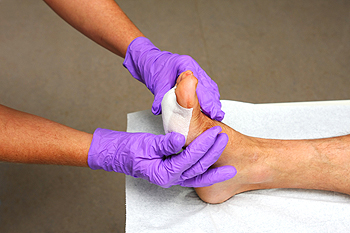
Nutrition plays a critical role in foot wound healing, enhancing the body's natural repair processes. Typical treatments for foot wounds include cleaning, dressing, and managing infection. However, without adequate nutrition, these methods may fall short. Deficiencies in key nutrients such as vitamin C, zinc, and protein can impair healing. Vitamin C is essential for collagen synthesis, zinc supports cell growth and repair, and protein is vital for tissue regeneration. Additionally, nutrients like omega-3 fatty acids and antioxidants can have therapeutic effects, reducing inflammation and promoting faster recovery. If you suffer from foot wounds, it is suggested that you schedule an appointment with a podiatrist who can assess nutritional status, recommend dietary adjustments, and provide supplements if necessary.
Wound care is an important part in dealing with diabetes. If you have diabetes and a foot wound or would like more information about wound care for diabetics, consult with Gregory Rorick, DPM from Rorick Podiatry, PC. Our doctor will assess your condition and provide you with quality foot and ankle treatment.
What Is Wound Care?
Wound care is the practice of taking proper care of a wound. This can range from the smallest to the largest of wounds. While everyone can benefit from proper wound care, it is much more important for diabetics. Diabetics often suffer from poor blood circulation which causes wounds to heal much slower than they would in a non-diabetic.
What Is the Importance of Wound Care?
While it may not seem apparent with small ulcers on the foot, for diabetics, any size ulcer can become infected. Diabetics often also suffer from neuropathy, or nerve loss. This means they might not even feel when they have an ulcer on their foot. If the wound becomes severely infected, amputation may be necessary. Therefore, it is of the upmost importance to properly care for any and all foot wounds.
How to Care for Wounds
The best way to care for foot wounds is to prevent them. For diabetics, this means daily inspections of the feet for any signs of abnormalities or ulcers. It is also recommended to see a podiatrist several times a year for a foot inspection. If you do have an ulcer, run the wound under water to clear dirt from the wound; then apply antibiotic ointment to the wound and cover with a bandage. Bandages should be changed daily and keeping pressure off the wound is smart. It is advised to see a podiatrist, who can keep an eye on it.
If you have any questions, please feel free to contact our office located in New York Mills, Utica, NY . We offer the newest diagnostic and treatment technologies for all your foot care needs.
The Importance of Correctly Fitting Your Child’s Shoes

Finding the right shoes for your child can be a real challenge, especially with their feet constantly growing and changing. To ensure a proper fit, start by checking for wiggle room at the front of the shoe. Aim for about half an inch between the tip of your child’s longest toe and the end of the shoe to allow for comfortable toe movement. Next, focus on the width by examining the widest part of the foot, making sure there’s no bulging or squeezing of the pinky toe, which indicates the shoe is too narrow. Finally, assess the heel fit by sliding your finger between the back of the shoe around your child’s heel. If you can fit more than one or two fingers, the shoe may be too wide. Properly fitting shoes are important for your child’s comfort and foot health. For more information about how to find the right shoes for your child, it is suggested you make an appointment with a podiatrist.
Making sure that your children maintain good foot health is very important as they grow. If you have any questions, contact Gregory Rorick, DPM of Rorick Podiatry, PC. Our doctor can provide the care you need to keep you pain-free and on your feet.
Keeping Children's Feet Healthy
Having healthy feet during childhood can help prevent medical problems later in life, namely in the back and legs. As children grow, their feet require different types of care. Here are some things to consider...
Although babies do not walk yet, it is still very important to take care of their feet.
Avoid putting tight shoes or socks on his or her feet.
Allow the baby to stretch and kick his or her feet to feel comfortable.
As a toddler, kids are now on the move and begin to develop differently. At this age, toddlers are getting a feel for walking, so don’t be alarmed if your toddler is unsteady or ‘walks funny’.
As your child gets older, it is important to teach them how to take care of their feet.
Show them proper hygiene to prevent infections such as fungus.
Be watchful for any pain or injury.
Have all injuries checked by a doctor as soon as possible.
Comfortable, protective shoes should always be worn, especially at play.
If you have any questions please feel free to contact our office located in New York Mills, Utica, NY . We offer the newest diagnostic and treatment technologies for all your foot and ankle needs.
What Is a Podiatrist and Why You Might Want to See One
 Podiatrists are medical professionals who specialize in diagnosing and treating conditions related to the feet, ankles, and lower extremities. They undergo extensive education and training, typically earning a Doctor of Podiatric Medicine, or DPM, degree, followed by a residency program. Podiatrists are equipped to handle a wide range of issues, from common problems like bunions, heel pain, and ingrown toenails to more complex conditions such as diabetic foot complications, fractures, and sports injuries. They utilize various diagnostic tools, including X-rays, ultrasounds, and lab tests, to accurately assess foot and ankle health. Treatment options may range from conservative approaches, like wearing orthotics and targeted stretching exercises, to surgical interventions when necessary. Podiatrists also play a critical role in preventive care, providing guidance on proper footwear, foot hygiene, and exercises to maintain foot health. If you have any foot or ankle concerns, it is suggested that you schedule an appointment with a podiatrist for care.
If you are dealing with pain in your feet and ankles, you may want to seek help from a podiatrist. Feel free to contact Gregory Rorick, DPM from Rorick Podiatry, PC. Our doctor can provide the care you need to keep you pain-free and on your feet.
What Is a Podiatrist?
A podiatrist is a doctor of podiatric medicine who diagnoses and treats conditions of the foot, ankle, and related structures of the leg. Your podiatrist may specialize in a certain field such as sports medicine, wound care, pediatrics, and diabetic care. Podiatrists have the ability to become board certified through training, clinical experience, and then taking an exam.
What Do Podiatrists Do?
On a daily basis, a podiatrist may perform the following activities:
- Diagnose foot ailments such as ulcers, tumors, fractures, etc.
- Use innovative methods to treat conditions
- Use corrective orthotics, casts, and strappings to correct deformities
- Correct walking patterns and balance
- Provide individual consultations to patients
It is very important that you take care of your feet. It’s easy to take having healthy feet for granted, however foot problems tend to be among the most common health conditions. Podiatrists can help diagnose and treat a variety of feet related conditions, so it is crucial that you visit one if you need assistance.
If you have any questions please feel free to contact our office located in New York Mills, Utica, NY . We offer the newest diagnostic and treatment technologies for all your foot and ankle needs.
Why Live with Pain and Numbness in Your Feet?

Suffering from this type of pain? You may have the foot condition known as Morton's neuroma. Morton's neuroma may develop as a result of ill-fitting footwear and existing foot deformities. We can help.
