Items filtered by date: May 2023
What Is an Ankle Avulsion Fracture?

An avulsion fracture of the ankle occurs when an injured ligament or tendon brings with it a portion of the bone. This takes place at the site where the ligament or tendon attaches to the bone. Because symptoms of an ankle avulsion fracture are similar to those of a sprain, an X-ray or other imaging test may be needed to determine the cause of the problem. Symptoms include pain, immediate swelling, bruising, and difficulty in moving the ankle. The healing time for an ankle avulsion fracture is between six and eight weeks, but depending on the severity it may take even longer. In severe cases, surgery may be required to repair the joint with screws and metal plates. A cast will be required to stabilize and immobilize the ankle joint as the bone heals. When that is removed, a series of stretching, strengthening, and range of motion exercises will be needed. As with all ankle injuries, it is important that the joint heals completely to avoid further problems. For treatment of an ankle avulsion fracture or more information about this injury, it is suggested that you make an appointment with a podiatrist.
Broken ankles need immediate treatment. If you are seeking treatment, contact Gregory Rorick, DPM from Rorick Podiatry, PC. Our doctor can provide the care you need to keep you pain-free and on your feet.
Broken Ankles
A broken ankle is experienced when a person fractures their tibia or fibula in the lower leg and ankle area. Both of these bones are attached at the bottom of the leg and combine to form what we know to be our ankle.
When a physician is referring to a break of the ankle, he or she is usually referring to a break in the area where the tibia and fibula are joined to create our ankle joint. Ankles are more prone to fractures because the ankle is an area that suffers a lot of pressure and stress. There are some obvious signs when a person experiences a fractured ankle, and the following symptoms may be present.
Symptoms of a Fractured Ankle
- Excessive pain when the area is touched or when any pressure is placed on the ankle
- Swelling around the area
- Bruising of the area
- Area appears to be deformed
If you suspect an ankle fracture, it is recommended to seek treatment as soon as possible. The sooner you have your podiatrist diagnose the fracture, the quicker you’ll be on the way towards recovery.
If you have any questions, please feel free to contact our office located in New York Mills, Utica, NY . We offer the newest diagnostic and treatment technologies for all your foot care needs.
Dead Skin on the Feet

Skin is one of the most important organs in the human body. Taking care of the skin covering the feet can be an essential element of maintaining proper foot health. Patients often wonder why dead skin can build up on the feet. There are many different potential explanations for dead skin build-up. For example, when the feet are subject to persistent pounding and friction, this can ultimately lead to dead skin cell build up. Importantly, when the feet are dehydrated and unmoisturized, this can exacerbate dead skin accumulation. When dead skin cells build up over time, it can be important to gently remove that dead skin. An individual might go about doing this in consultation with their podiatrist through exfoliation with a pumice stone. A patient might even use an electric callus remover. If you are someone that struggles with dead skin cell build up on the feet, it is suggested that you contact a podiatrist today for more information.
If you have any concerns about your feet, contact Gregory Rorick, DPM from Rorick Podiatry, PC. Our doctor can provide the care you need to keep you pain-free and on your feet.
Biomechanics in Podiatry
Podiatric biomechanics is a particular sector of specialty podiatry with licensed practitioners who are trained to diagnose and treat conditions affecting the foot, ankle and lower leg. Biomechanics deals with the forces that act against the body, causing an interference with the biological structures. It focuses on the movement of the ankle, the foot and the forces that interact with them.
A History of Biomechanics
- Biomechanics dates back to the BC era in Egypt where evidence of professional foot care has been recorded.
- In 1974, biomechanics gained a higher profile from the studies of Merton Root, who claimed that by changing or controlling the forces between the ankle and the foot, corrections or conditions could be implemented to gain strength and coordination in the area.
Modern technological improvements are based on past theories and therapeutic processes that provide a better understanding of podiatric concepts for biomechanics. Computers can provide accurate information about the forces and patterns of the feet and lower legs.
Understanding biomechanics of the feet can help improve and eliminate pain, stopping further stress to the foot.
If you have any questions please feel free to contact our office located in New York Mills, Utica, NY . We offer the newest diagnostic and treatment technologies for all your foot and ankle needs.
Toenail Fungus Is Common
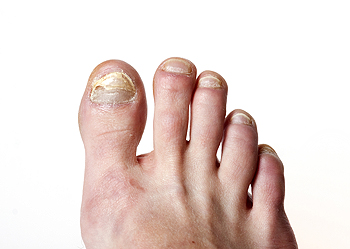
Toenail fungus is a common nail infection. It is considered contagious, and most people will develop this foot condition at some point in their lives. It is noticeable by the yellow and thickened toenails, and in severe cases, the nail can become brittle and crumble. The fungus that causes this nail condition lives in warm and moist environments, including shower room floors, public swimming pools, and similar places. Effective prevention techniques can consist of refraining from sharing towels, shoes, and socks, in addition to wearing shoes that are made of breathable materials. People who have existing medical conditions, such as diabetes, psoriasis, or a weakened immune system may be prone to developing toenail fungus. If you see the beginning signs of this nail infection, it is strongly suggested that you consult with a podiatrist sooner rather than later who can discuss treatment options with you.
If left untreated, toenail fungus may spread to other toenails, skin, or even fingernails. If you suspect you have toenail fungus it is important to seek treatment right away. For more information about treatment, contact Gregory Rorick, DPM of Rorick Podiatry, PC. Our doctor can provide the care you need to keep you pain-free and on your feet.
Symptoms
- Warped or oddly shaped nails
- Yellowish nails
- Loose/separated nail
- Buildup of bits and pieces of nail fragments under the nail
- Brittle, broken, thickened nail
Treatment
If self-care strategies and over-the-counter medications does not help your fungus, your podiatrist may give you a prescription drug instead. Even if you find relief from your toenail fungus symptoms, you may experience a repeat infection in the future.
Prevention
In order to prevent getting toenail fungus in the future, you should always make sure to wash your feet with soap and water. After washing, it is important to dry your feet thoroughly especially in between the toes. When trimming your toenails, be sure to trim straight across instead of in a rounded shape. It is crucial not to cover up discolored nails with nail polish because that will prevent your nail from being able to “breathe”.
In some cases, surgical procedure may be needed to remove the toenail fungus. Consult with your podiatrist about the best treatment options for your case of toenail fungus.
If you have any questions, please feel free to contact our office located in New York Mills, Utica, NY . We offer the newest diagnostic and treatment technologies for all your foot care needs.
High Heels and Foot Conditions

High heels are a popular shoe for many women to wear. They are available in a variety of colors and can add style to any wardrobe. Despite the attraction of wearing high heels, research has shown they may cause certain foot conditions when frequently worn. This may be a result of limited cushioning in the heel area as well as inadequate room for the toes to move freely in. Excess friction may result in corns which can be quite painful. Toenail fungus may happen from the consistent pressure the toes endure from lack of room in the top of the shoe. Additional foot conditions that can happen from wearing high heels may include bunions, hammertoe, and Morton’s neuroma. Wearing this type of shoe may cause ankle instability and may lead to spraining or fracturing an ankle. If you would like more information about the effects that high heels may have on the feet, it is suggested that you consult with a podiatrist.
High heels have a history of causing foot and ankle problems. If you have any concerns about your feet or ankles, contact Gregory Rorick, DPM from Rorick Podiatry, PC. Our doctor can provide the care you need to keep you pain-free and on your feet.
Effects of High Heels on the Feet
High heels are popular shoes among women because of their many styles and societal appeal. Despite this, high heels can still cause many health problems if worn too frequently.
Which Parts of My Body Will Be Affected by High Heels?
- Ankle Joints
- Achilles Tendon – May shorten and stiffen with prolonged wear
- Balls of the Feet
- Knees – Heels cause the knees to bend constantly, creating stress on them
- Back – They decrease the spine’s ability to absorb shock, which may lead to back pain. The vertebrae of the lower back may compress.
What Kinds of Foot Problems Can Develop from Wearing High Heels?
- Corns
- Calluses
- Hammertoe
- Bunions
- Morton’s Neuroma
- Plantar Fasciitis
How Can I Still Wear High Heels and Maintain Foot Health?
If you want to wear high heeled shoes, make sure that you are not wearing them every day, as this will help prevent long term physical problems. Try wearing thicker heels as opposed to stilettos to distribute weight more evenly across the feet. Always make sure you are wearing the proper shoes for the right occasion, such as sneakers for exercising. If you walk to work, try carrying your heels with you and changing into them once you arrive at work. Adding inserts to your heels can help cushion your feet and absorb shock. Full foot inserts or metatarsal pads are available.
If you have any questions please feel free to contact our office located in New York Mills, Utica, NY . We offer the newest diagnostic and treatment technologies for all your foot and ankle needs.
It's Time for Beautiful Feet

You don't need an excuse to have beautiful nails. Step outside without worrying about the appearance of your feet.
Nerve Problems That Cause Foot Pain

While there are numerous causes for foot pain, if you feel pain on the top of the foot or through the arch, it may be caused by nerve problems. Common symptoms of nerve pain in the feet are burning and shooting or stabbing pain when a nerve is aggravated. Unfortunately, such nerve pain in the feet can occur when you are active and when you are resting. The four most common causes of nerve pain in the feet are Morton’s neuroma, tarsal tunnel syndrome, peripheral neuropathy caused by diabetes, and a pinched nerve. With Morton’s neuroma, the pain will be felt between the third and fourth toes as the nerve in that area thickens. This condition affects women more often as a result of frequent wearing of high heels. Tarsal tunnel syndrome is caused when the tibial nerve that is located near the heel is compressed. A pinched nerve, which is also called nerve entrapment, is often caused by swelling, tight shoes, or trauma to the foot. Diabetic foot neuropathy is the result of nerve damage caused by high levels of blood sugar. If you are experiencing any type of shooting or stabbing pain in the feet, it is suggested that you make an appointment with a podiatrist to determine the cause and find appropriate treatment.
Foot Pain
Foot pain can be extremely painful and debilitating. If you have a foot pain, consult with Gregory Rorick, DPM from Rorick Podiatry, PC. Our doctor will assess your condition and provide you with quality foot and ankle treatment.
Causes
Foot pain is a very broad condition that could be caused by one or more ailments. The most common include:
- Bunions
- Hammertoes
- Plantar Fasciitis
- Bone Spurs
- Corns
- Tarsal Tunnel Syndrome
- Ingrown Toenails
- Arthritis (such as Gout, Rheumatoid, and Osteoarthritis)
- Flat Feet
- Injury (from stress fractures, broken toe, foot, ankle, Achilles tendon ruptures, and sprains)
- And more
Diagnosis
To figure out the cause of foot pain, podiatrists utilize several different methods. This can range from simple visual inspections and sensation tests to X-rays and MRI scans. Prior medical history, family medical history, and any recent physical traumatic events will all be taken into consideration for a proper diagnosis.
Treatment
Treatment depends upon the cause of the foot pain. Whether it is resting, staying off the foot, or having surgery; podiatrists have a number of treatment options available for foot pain.
If you have any questions, please feel free to contact our office located in New York Mills, Utica, NY . We offer the newest diagnostic and treatment technologies for all your foot care needs.
