Items filtered by date: October 2023
Soccer and Foot and Ankle Injuries

Soccer is a physically demanding sport where foot and ankle injuries are prevalent. Three common injuries in soccer are plantar fasciitis, ankle sprains, and Achilles tendonitis. Plantar fasciitis is the inflammation of the plantar fascia, a tissue connecting the heel to the ball of the foot. It causes pain on the heel and along the arch of the foot and may result from playing on hard surfaces or due to anatomical factors like flat feet or weak muscles. Ankle sprains occur when the ankle ligaments are overstretched or torn. Symptoms can include pain, bruising, and swelling. These sprains are often caused by awkward landings or playing on uneven surfaces. Achilles tendonitis involves inflammation or rupture of the Achilles tendon, causing mild aches or stiffness in the leg. It can be triggered by a sudden change in exercise intensity or from wearing inappropriate footwear. If you or your child has an injured foot or ankle from playing soccer, it is suggested that you make an appointment with a podiatrist for a proper diagnosis, and treatment, in addition to learning about preventative measures that can be taken to make you more resilient against such injuries.
Sports related foot and ankle injuries require proper treatment before players can go back to their regular routines. For more information, contact Gregory Rorick, DPM of Rorick Podiatry, PC. Our doctor can provide the care you need to keep you pain-free and on your feet.
Sports Related Foot and Ankle Injuries
Foot and ankle injuries are a common occurrence when it comes to athletes of any sport. While many athletes dismiss the initial aches and pains, the truth is that ignoring potential foot and ankle injuries can lead to serious problems. As athletes continue to place pressure and strain the area further, a mild injury can turn into something as serious as a rupture and may lead to a permanent disability. There are many factors that contribute to sports related foot and ankle injuries, which include failure to warm up properly, not providing support or wearing bad footwear. Common injuries and conditions athletes face, including:
- Plantar Fasciitis
- Plantar Fasciosis
- Achilles Tendinitis
- Achilles Tendon Rupture
- Ankle Sprains
Sports related injuries are commonly treated using the RICE method. This includes rest, applying ice to the injured area, compression and elevating the ankle. More serious sprains and injuries may require surgery, which could include arthroscopic and reconstructive surgery. Rehabilitation and therapy may also be required in order to get any recovering athlete to become fully functional again. Any unusual aches and pains an athlete sustains must be evaluated by a licensed, reputable medical professional.
If you have any questions please feel free to contact our office located in New York Mills, Utica, NY . We offer the newest diagnostic and treatment technologies for all your foot and ankle needs.
Common Reasons Behind Foot Swelling
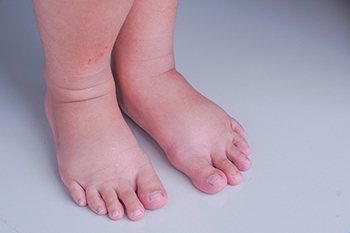
Foot swelling, also known as edema, can be uncomfortable and concerning. Knowing what caused your feet to swell can help to address it effectively. One prevalent cause is standing or sitting for extended periods, which can impede blood circulation and lead to fluid accumulation in the feet and ankles. Additionally, injuries or strains can cause localized swelling, while sprains and fractures may result in more severe swelling. Certain medical conditions like deep vein thrombosis, hypertension, and heart disease can contribute to foot edema due to their impact on circulation. Hormonal changes during pregnancy can lead to fluid retention and swollen feet. In some cases, medications may have this side effect. Obesity is another significant factor, as excess weight can add pressure on the veins and lead to swelling. If you have swollen feet, it is strongly suggested that you visit a podiatrist who can determine the cause and provide treatment.
Swollen feet can be a sign of an underlying condition. If you have any concerns, contact Gregory Rorick, DPM of Rorick Podiatry, PC. Our doctor can provide the care you need to keep you pain-free and on your feet.
Swollen feet are a common ailment among pregnant women and people who stand or sit for extended periods. Aging may increase the possibility of swollen feet and patients who are obese often notice when their feet are swelling too. There may be medical reasons why swollen feet occur:
- Phlebitis - A condition that causes the veins to become inflamed and can also cause leg pain.
- Liver disease - This may lead to low blood levels of albumin which is a protein. This can cause fluid in the blood to pass into the tissues and several areas of the body can become swollen.
- Heart failure - When the heart doesn’t pump properly the blood that is normally pumped back to the heart can pool in the veins of the legs causing swollen feet.
- Kidney disease - One of the main functions of the kidneys is releasing excess fluid in the body. This type of condition can make it difficult for the kidneys to function properly, and as a result the feet may become swollen.
- Deep-vein thrombosis (DVT)- This is a serious condition where blood clots form in the veins of the legs. They can block the return of blood from the legs to the heart which may cause the feet to swell. It is important to be treated by a podiatrist if this condition is present.
Swollen feet can also be caused by bone and tendon conditions, including fractures, arthritis, and tendinitis. Additionally, there may be skin and toenail conditions and an infection may cause the feet to swell. Patients who take medicine to treat high blood pressure may be prone to getting swollen feet.
Many patients elevate their feet to help relieve the swelling and this is generally a temporary remedy. When a podiatrist is consulted the reason behind the swelling can be uncovered and subsequently treated.
If you have any questions please feel free to contact our office located in New York Mills, Utica, NY . We offer the newest diagnostic tools and technology to treat your foot and ankle needs.
Weight and Foot Problems

Many people are considered to be overweight or obese, which can negatively impact the feet in various ways. Carrying excess weight increases the load on the feet during weight bearing activities, and can lead to pain and injuries that discourage physical activity. Additionally, obesity may raise the risk of chronic diseases such as diabetes, which can harm peripheral circulation and nerve supply in the feet. This issue is not limited to adults. Childhood obesity is a growing concern, with structural and functional changes in the feet that can affect a child's current well being and may persist into adulthood. Common foot complaints related to increased weight include non specific foot pain, tendonitis, plantar fasciitis, and osteoarthritis. It is important to remember that obesity is a complex issue with various contributing factors, including genetics, lifestyle, and environmental influences. Blaming or stigmatizing individuals for their weight can be counterproductive and harmful. Instead, offering support, encouragement, and resources for maintaining a healthy lifestyle can be more effective in addressing both obesity and its related health concerns, including foot problems. If you are overweight and are experiencing foot consequences, it is suggested that you make an appointment with a compassionate podiatrist who can provide you with help in living a healthier lifestyle and relieving your foot pain.
Obesity has become very problematic at this point in time and can have extremely negative effects on the feet. If you’re an obese individual and are concerned about your feet, contact Gregory Rorick, DPM from Rorick Podiatry, PC. Our doctor can provide the care you need to keep you pain-free and on your feet.
Obesity and Your Feet
Since your feet are what support your entire weight when standing, any additional weight can result in pain and swelling. Being overweight is one of the main contributors to foot complications.
Problems & Complications
Extra Weight – Even putting on just a few extra pounds could create serious complications for your feet. As your weight increases, your balance and body will shift, creating new stresses on your feet. This uneven weight distribution can cause pain, even while doing the simplest tasks, such as walking.
Diabetes – People who are overweight are at serious risk of developing type-2 diabetes, which has a drastic impact on the health of your feet. As you get older, your diabetes might worsen, which could lead to loss of feeling in your feet, sores, and bruises. You could also become more prone to various infections.
Plantar fasciitis – Pressure and stress that is placed on muscles, joints, and tendons can trigger plantar fasciitis, which is an inflammation of tissue that forms along the bottom of the foot.
If you have any questions please feel free to contact our office located in New York Mills, Utica, NY . We offer the newest diagnostic and treatment technologies for all your foot and ankle needs.
Morton’s Neuroma Symptoms and Treatment
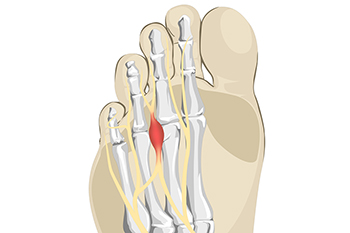
A network of plantar digital nerves in the feet supply sensory signals to the forefoot and toes. Problems arise when these nerves encounter compression, which can occur when the toes are consistently pressed together, effectively obstructing the pathway for these nerves. Such compression often causes a condition known as Morton's neuroma. This may be the result of wearing high heels that force body weight onto the ball of the foot. When the plantar nerves become entrapped, their ability to efficiently transmit signals is affected. This leads to symptoms, including sharp, burning, or tingling sensations in the forefoot and toes. Individuals with Morton's neuroma may also experience numbness or the feeling of having a pebble or foreign object in their shoe. Morton's neuroma can be effectively managed in several ways. Start with footwear that has cushioning and provides adequate room for the toes. Custom orthotics can also help alleviate pressure on the affected area. In more severe cases, corticosteroid injections or surgical intervention may be recommended. If you suspect you are suffering from Morton's neuroma, it's suggested that you make an appointment with a podiatrist for a diagnosis and treatment plan tailored to your needs.
Morton’s neuroma is a very uncomfortable condition to live with. If you think you have Morton’s neuroma, contact Gregory Rorick, DPM of Rorick Podiatry, PC. Our doctor will attend to all of your foot care needs and answer any of your related questions.
Morton’s Neuroma
Morton's neuroma is a painful foot condition that commonly affects the areas between the second and third or third and fourth toe, although other areas of the foot are also susceptible. Morton’s neuroma is caused by an inflamed nerve in the foot that is being squeezed and aggravated by surrounding bones.
What Increases the Chances of Having Morton’s Neuroma?
- Ill-fitting high heels or shoes that add pressure to the toe or foot
- Jogging, running or any sport that involves constant impact to the foot
- Flat feet, bunions, and any other foot deformities
Morton’s neuroma is a very treatable condition. Orthotics and shoe inserts can often be used to alleviate the pain on the forefront of the feet. In more severe cases, corticosteroids can also be prescribed. In order to figure out the best treatment for your neuroma, it’s recommended to seek the care of a podiatrist who can diagnose your condition and provide different treatment options.
If you have any questions, please feel free to contact our office located in New York Mills, Utica, NY . We offer the newest diagnostic and treatment technologies for all your foot care needs.
Are Bunions Affecting Your Everyday Life?

Have you noticed a bony protrusion on the side of your big toe? If so, you may have developed the foot condition known as a bunion. Don't let bunions interfere with your daily activities.
Causes and Symptoms of Bunions
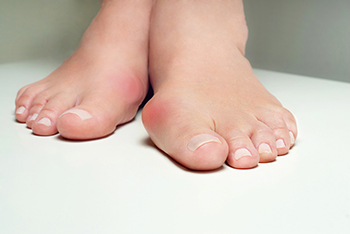
A bunion is a common foot deformity that affects the joint at the base of the big toe. This condition occurs when the big toe deviates outward, causing the joint to protrude and creating a visible bump on the side of the foot. Bunions typically develop over time due to a variety of factors. Genetics plays a significant role, as the shape and structure of your foot can predispose you to bunions. Wearing ill-fitting shoes, especially those with narrow-toe boxes or high heels, can exacerbate the condition. Additionally, inflammatory joint conditions like arthritis may contribute to bunion formation. The symptoms of a bunion can range from mild to severe. Common signs include pain, swelling, redness, and tenderness around the affected joint. Over time, the big toe may angle towards the other toes, causing discomfort and difficulty finding well-fitting shoes. The skin over the bunion may become thickened and calloused. For some individuals, bunions can restrict their daily activities and lead to further foot problems if left untreated. If you have developed a bunion, it is strongly suggested that you consult a podiatrist who can offer you relief and treatment options that are right for you.
If you are suffering from bunion pain, contact Gregory Rorick, DPM of Rorick Podiatry, PC. Our doctor can provide the care you need to keep you pain-free and on your feet.
What Is a Bunion?
Bunions are painful bony bumps that usually develop on the inside of the foot at the joint of the big toe. As the deformity increases over time, it may become painful to walk and wear shoes. Women are more likely to exacerbate existing bunions since they often wear tight, narrow shoes that shift their toes together. Bunion pain can be relieved by wearing wider shoes with enough room for the toes.
Causes
- Genetics – some people inherit feet that are more prone to bunion development
- Inflammatory Conditions - rheumatoid arthritis and polio may cause bunion development
Symptoms
- Redness and inflammation
- Pain and tenderness
- Callus or corns on the bump
- Restricted motion in the big toe
In order to diagnose your bunion, your podiatrist may ask about your medical history, symptoms, and general health. Your doctor might also order an x-ray to take a closer look at your feet. Nonsurgical treatment options include orthotics, padding, icing, changes in footwear, and medication. If nonsurgical treatments don’t alleviate your bunion pain, surgery may be necessary.
If you have any questions, please feel free to contact our office located in New York Mills, Utica, NY . We offer the newest diagnostic and treatment technologies for all your foot care needs.
