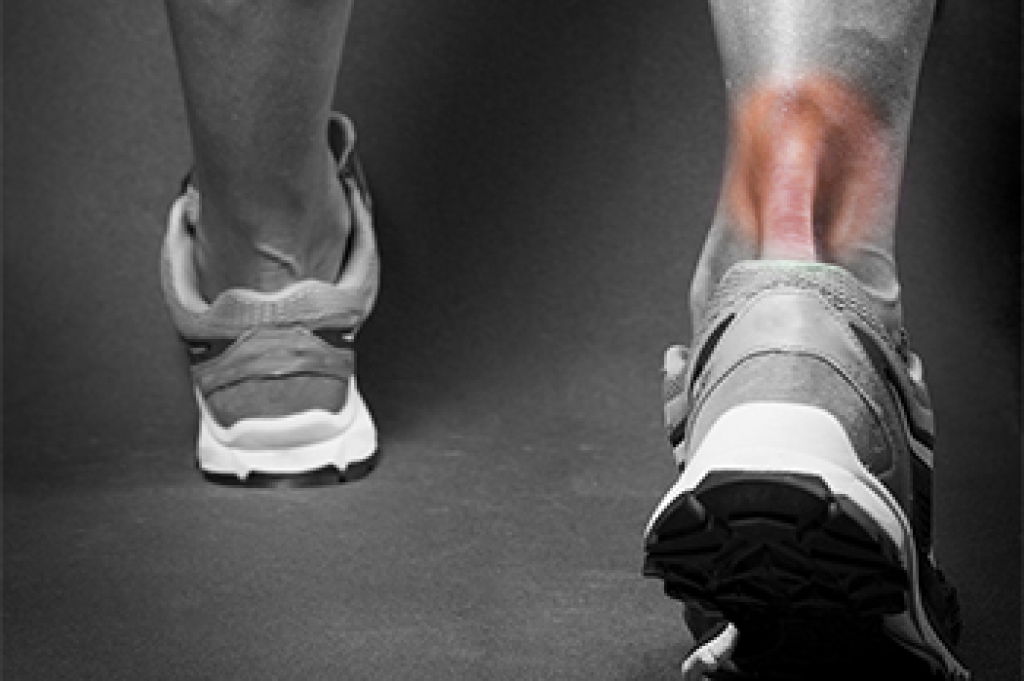
Causes of Achilles Tendon Injuries

The Achilles tendon is the thick band of tissue connecting the calf muscles to the heel bone. It is the strongest tendon in the human body and helps the foot push off during walking, running, and jumping. An Achilles tendon injury occurs when this tendon becomes irritated, partially torn, or completely ruptured. Symptoms may include pain near the heel, swelling, and weakness when pushing off. Some injuries develop gradually, while others happen suddenly during physical activity.

Common causes include repeated athletic stress, sudden increases in exercise, and forceful movements, such as jumping or sprinting. Risk factors include limited flexibility, previous Achilles problems, and activities that place repeated strain on the tendon. Age can also affect tendon resilience. Achilles tendon injuries may range from mild tendinitis or tendinopathy to partial tears and complete ruptures. Recognizing symptoms early can help prevent worsening damage.


Healing depends on the severity of the injury and how well the tendon is protected during recovery. A podiatrist begins by examining the heel and ankle, checking strength, range of motion, and walking ability. Imaging tests may be recommended when a tear or rupture is suspected. Treatment may include activity modification, wearing supportive footwear, or immobilization. Severe injuries may require surgical evaluation. Follow-up visits help monitor tendon healing and guide gradual increases in activity.


Recovery should progress carefully because returning to sports too soon can place excessive stress on healing tissue. A podiatrist may recommend stretching, strengthening, and balance exercises as recovery advances. Patients should follow activity restrictions and avoid movements that increase pain. With appropriate care, many Achilles tendon injuries can improve, although healing time varies considerably. If you have an Achilles tendon injury, it is suggested that you consult a podiatrist for effective relief and treatment solutions. 

Achilles tendon injuries need immediate attention to avoid future complications. If you have any concerns, contact Gregory Rorick, DPM of Rorick Podiatry, PC. Our doctor can provide the care you need to keep you pain-free and on your feet.

What Is the Achilles Tendon?

The Achilles tendon is a tendon that connects the lower leg muscles and calf to the heel of the foot. It is the strongest tendon in the human body and is essential for making movement possible. Because this tendon is such an integral part of the body, any injuries to it can create immense difficulties and should immediately be presented to a doctor.

What Are the Symptoms of an Achilles Tendon Injury?

There are various types of injuries that can affect the Achilles tendon. The two most common injuries are Achilles tendinitis and ruptures of the tendon.

Achilles Tendinitis Symptoms

  • Inflammation
  • Dull to severe pain
  • Increased blood flow to the tendon
  • Thickening of the tendon

Rupture Symptoms

  • Extreme pain and swelling in the foot
  • Total immobility

Treatment and Prevention

Achilles tendon injuries are diagnosed by a thorough physical evaluation, which can include an MRI. Treatment involves rest, physical therapy, and in some cases, surgery. However, various preventative measures can be taken to avoid these injuries, such as:

  • Thorough stretching of the tendon before and after exercise
  • Strengthening exercises like calf raises, squats, leg curls, leg extensions, leg raises, lunges, and leg presses

If you have any questions please feel free to contact our office located in New York Mills, Utica, NY . We offer the newest diagnostic tools and technology to treat your foot and ankle needs.

Read more about What are Achilles Tendon Injuries

Heel Spurs Explained

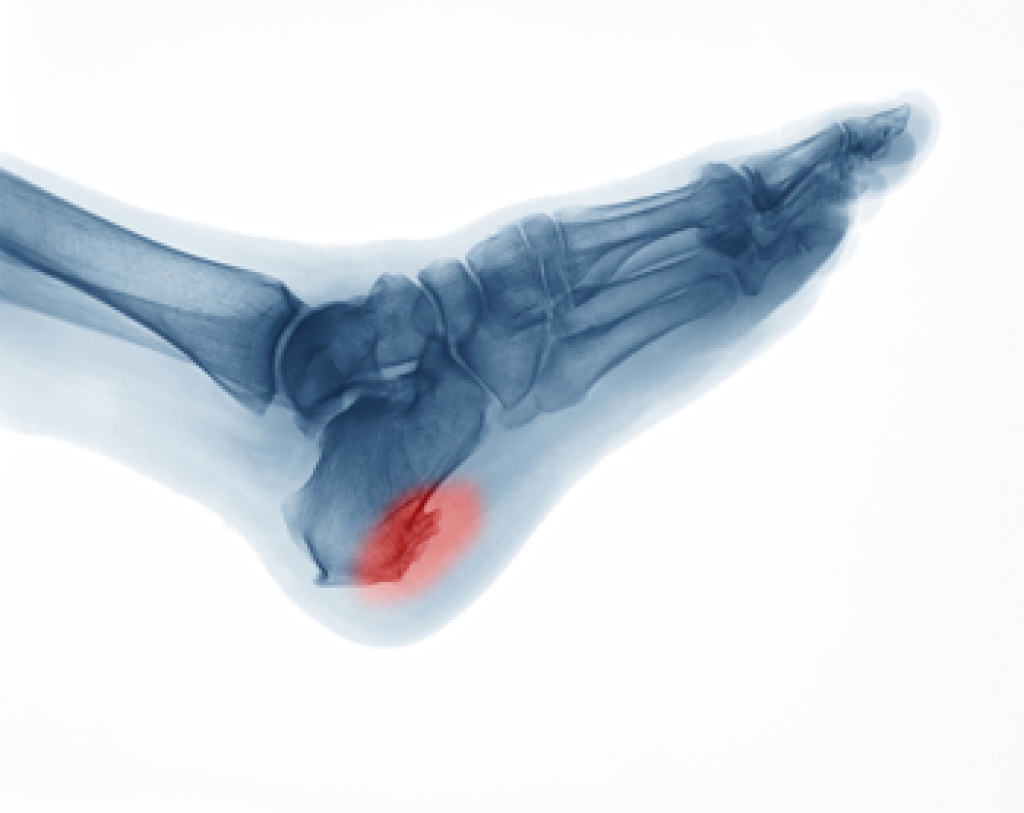
Heel spurs are bony growths that develop on the underside of the heel bone, often forming gradually due to repeated stress and strain on the foot. These calcium deposits can extend forward from the heel and may be associated with conditions such as plantar fasciitis. While some heel spurs do not cause symptoms, others lead to significant discomfort and inflammation. Understanding what heel spurs are and how they develop is essential for managing heel pain and maintaining proper foot function.

The most common symptom of a heel spur is pain at the bottom of the heel, especially during the first steps in the morning or after long periods of rest. This pain is often described as sharp or stabbing, and it may improve slightly with movement before returning after prolonged standing or walking. Inflammation, swelling, and tenderness in the heel area may also occur. Some individuals experience a deep aching sensation due to irritation of surrounding soft tissue. Heel bruising can worsen symptoms and make daily activities more difficult.


Heel spurs are commonly caused by repetitive strain on the foot, particularly from activities that place excessive pressure on the heel. Risk factors include being overweight, wearing poorly supportive footwear, and having abnormal foot mechanics such as flat feet or high arches. Arthritis and chronic inflammation can also contribute to spur formation. Athletes, runners, and individuals who stand for long periods are more prone to developing heel spurs due to repetitive stress on the plantar fascia and heel bone. Treatment for heel spurs focuses on reducing pain and inflammation while addressing the underlying cause. Conservative options include stretching exercises, wearing supportive shoes, custom orthotics, and anti-inflammatory medications. Early intervention can help prevent worsening symptoms and improve mobility. If you have heel pain or symptoms of heel spurs, it is suggested that you consult a podiatrist for an accurate diagnosis and appropriate treatment.

Heel spurs can be incredibly painful and sometimes may make you unable to participate in physical activities. To get medical care for your heel spurs, contact Gregory Rorick, DPM from Rorick Podiatry, PC. Our doctor will do everything possible to treat your condition.

Heels Spurs

Heel spurs are formed by calcium deposits on the back of the foot where the heel is. This can also be caused by small fragments of bone breaking off one section of the foot, attaching onto the back of the foot. Heel spurs can also be bone growth on the back of the foot and may grow in the direction of the arch of the foot.

Older individuals usually suffer from heel spurs and pain sometimes intensifies with age. One of the main condition's spurs are related to is plantar fasciitis.

Pain

The pain associated with spurs is often because of weight placed on the feet. When someone is walking, their entire weight is concentrated on the feet. Bone spurs then have the tendency to affect other bones and tissues around the foot. As the pain continues, the feet will become tender and sensitive over time.

Treatments

There are many ways to treat heel spurs. If one is suffering from heel spurs in conjunction with pain, there are several methods for healing. Medication, surgery, and herbal care are some options.

If you have any questions, please feel free to contact our office located in New York Mills, Utica, NY . We offer the newest diagnostic and treatment technologies for all your foot care needs.

Read more about Heel Spurs

How a Podiatrist Can Help Manage Arthritis in the Feet

Arthritis can affect the feet by causing pain, stiffness, and reduced mobility in the joints. Because each foot contains many joints that support standing and walking, arthritis can make everyday movement more difficult. The condition may affect the toes, the middle of the foot, or the ankle, depending on the type of arthritis involved. Common symptoms include aching, swelling, and tenderness. Some people also notice joint stiffness, especially after periods of rest. As arthritis progresses, it may become harder to walk comfortably or participate in normal daily activities. Since several forms of arthritis can affect the feet, a professional evaluation is important to determine the underlying cause and recommend the most appropriate treatment.


Arthritis may gradually change the structure and function of the foot over time. Inflammation within the joints can reduce flexibility and make movement uncomfortable. As the joints become less stable, changes in the way a person walks may place added stress on other areas of the foot. This may also affect the ankles, knees, and hips. A thorough examination helps identify which joints are involved and how arthritis is affecting foot function. Understanding the source of symptoms allows a podiatrist to develop a treatment plan that supports better mobility and long-term foot health.


A podiatrist plays an important role in managing arthritic foot pain by evaluating joint function and identifying changes that may be contributing to discomfort. Treatment is tailored to each patient's condition and may focus on improving mobility, reducing joint stress, and preserving foot function. Early podiatry care can also help address changes before they become more severe or interfere with daily activities. Regular monitoring allows treatment to be adjusted as symptoms change over time. If arthritis pain or stiffness is affecting your feet or limiting your mobility, it is suggested that you consult a podiatrist for an evaluation and appropriate treatment options.

Arthritis can be a difficult condition to live with. If you are seeking treatment, contact Gregory Rorick, DPM from Rorick Podiatry, PC. Our doctor can provide the care you need to keep you pain-free and on your feet.

Arthritic Foot Care  

Arthritis is a term that is commonly used to describe joint pain.  The condition itself can occur to anyone of any age, race, or gender, and there are over 100 types of it.  Nevertheless, arthritis is more commonly found in women compared to men, and it is also more prevalent in those who are overweight. The causes of arthritis vary depending on which type of arthritis you have. Osteoarthritis for example, is often caused by injury, while rheumatoid arthritis is caused by a misdirected immune system.

Symptoms

  • Swelling
  • Pain
  • Stiffness
  • Decreased Range of Motion

Arthritic symptoms range in severity, and they may come and go. Some symptoms stay the same for several years but could potentially get worse with time. Severe cases of arthritis can prevent its sufferers from performing daily activities and make walking difficult.

Risk Factors

  • Occupation – Occupations requiring repetitive knee movements have been linked to osteoarthritis
  • Obesity – Excess weight can contribute to osteoarthritis development
  • Infection – Microbial agents can infect the joints and trigger arthritis
  • Joint Injuries – Damage to joints may lead to osteoarthritis
  • Age – Risk increases with age
  • Gender –Most types are more common in women
  • Genetics – Arthritis can be hereditary

If you suspect your arthritis is affecting your feet, it is crucial that you see a podiatrist immediately. Your doctor will be able to address your specific case and help you decide which treatment method is best for you.

If you have any questions please feel free to contact our office located in New York Mills, Utica, NY . We offer the newest diagnostic tools and technology to treat your foot and ankle needs.
Read more about How to Care for Your Arthritic Foot

Causes of Pain in the Big Toe

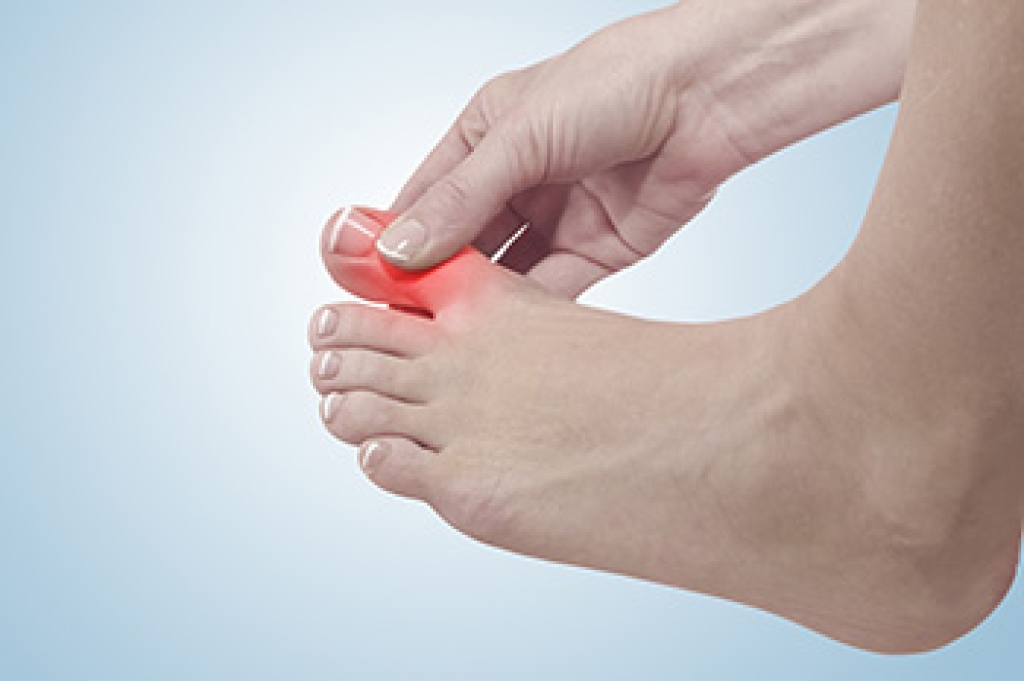
Big toe pain often affects the joint at the base of the toe, which plays a key role in balance and forward movement. This joint supports body weight during walking and running, so pain in this area can limit daily activity. Symptoms include swelling, stiffness, and redness. A sharp or throbbing discomfort may also occur. In some cases, individuals may notice reduced range of motion or difficulty pushing off the foot, which can interfere with normal movement patterns.

Several conditions can cause big toe pain, including bunions and gout. Bunions develop when the joint becomes misaligned, forming a bony bump that leads to pressure and irritation. Gout is a form of inflammatory arthritis caused by a buildup of uric acid crystals in the joint, resulting in sudden and intense pain. Other causes include injury, overuse, or joint degeneration. Without proper care, these conditions can worsen and lead to long-term discomfort or reduced mobility.


Risk factors for big toe pain include poor footwear, genetic foot structure, and high impact activities. Tight shoes can place pressure on the joint, increasing the risk of bunion formation. Diet and medical conditions can contribute to gout, especially when uric acid levels rise. Age and repeated stress on the joint may also increase the likelihood of pain. Early symptoms like swelling and tenderness should not be ignored, as untreated issues can lead to disability.


Understanding the causes and recognizing symptoms early can help prevent serious complications. Proper care and lifestyle adjustments can reduce pain and improve function. Seeking podiatric evaluation ensures an accurate diagnosis and appropriate treatment plan. If you have pain in your big toe, it is suggested that you consult a podiatrist for an accurate diagnosis and appropriate treatment.

Toe pain can disrupt your daily activities. If you have any concerns, contact Gregory Rorick, DPM of Rorick Podiatry, PC. Our doctor can provide the care you need to keep you pain-free and on your feet.

What Causes Toe Pain?

Most severe toe pain is caused due to a sports injury, trauma from dropping something heavy on the toe, or bumping into something rigid. Other problems can develop over time for various reasons.

Toe pain can be caused by one or more ailments. The most common include:

  • Trauma
  • Sports injury
  • Wearing shoes that are too tight
  • Arthritis
  • Gout
  • Corns and calluses
  • Hammertoe
  • Bunions
  • Blisters
  • Ingrown toenails
  • Sprains
  • Fractures (broken bones)
  • Dislocations

When to See a Podiatrist

  • Severe pain
  • Persistent pain that lasts more than a week
  • Signs of infection
  • Continued swelling
  • Pain that prevents walking

Diagnosis

In many cases the cause of toe pain is obvious, but in others, a podiatrist may want to use more advanced methods to determine the problem. These can range from simple visual inspections and sensation tests to X-rays and MRI scans. Prior medical history, family medical history, and any recent physical traumatic events will all be taken into consideration for a proper diagnosis.

Treatment

Treatments for toe pain and injuries vary and may include shoe inserts, padding, taping, medicines, injections, and in some cases, surgery. If you believe that you have broken a toe, please see a podiatrist as soon as possible.

If you have any questions please contact our office located in New York Mills, Utica, NY . We offer the newest diagnostic and treatment technologies for all your foot and ankle needs.

Read more about Toe Pain
scroll to top