
If left untreated, an ingrown toenail can lead to more serious concerns, such as an infection. Knowing proper nail care can help in the prevention of an ingrown toenail. Give us a call, and get treated!
If left untreated, an ingrown toenail can lead to more serious concerns, such as an infection. Knowing proper nail care can help in the prevention of an ingrown toenail. Give us a call, and get treated!
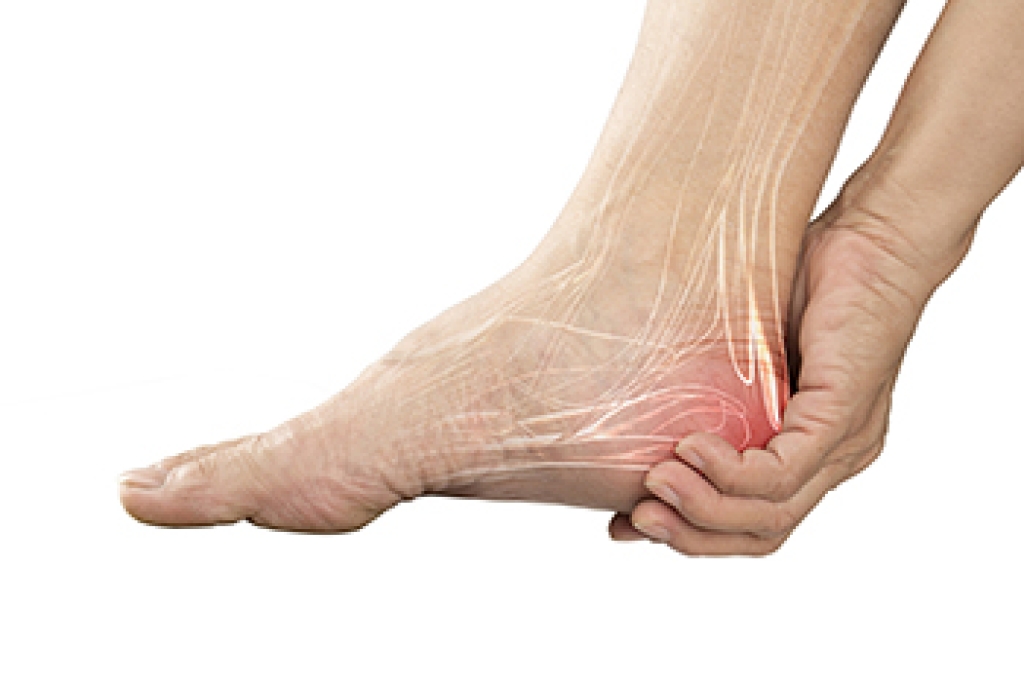
Plantar heel pain is a condition that frequently affects older women and is often associated with lifestyle and physical changes over time. It occurs when the plantar fascia becomes strained or irritated, leading to discomfort in the heel area. Sedentary behaviors play a significant role in the development of this condition by reducing muscle strength and flexibility in the feet. When physical activity is limited, the foot becomes less prepared to handle stress, increasing the risk of injury.
Common symptoms include persistent heel pain, stiffness, and tenderness, particularly after periods of rest. Many individuals report sharp discomfort with their first steps in the morning. As the day progresses, the pain may ease but can return after prolonged standing or walking. These symptoms can interfere with daily routines and make it difficult to stay active. Identifying these patterns can help individuals take early action to address the issue.
Risk factors for plantar heel pain include inactivity, poor footwear, and age-related changes in the foot structure. Sedentary habits can lead to tight muscles and reduced circulation, both of which contribute to strain on the plantar fascia. Additional causes include weight gain and lack of proper arch support. Older women may also experience decreased tissue resilience, making recovery slower and increasing the likelihood of chronic discomfort.
Improving daily movement and foot care can help reduce the risk of plantar heel pain. Incorporating light exercise, stretching, and wearing supportive footwear can strengthen the foot and improve flexibility. Small changes in routine can make a meaningful difference in comfort and mobility. If you are dealing with heel pain or related symptoms, it is suggested that you consult a podiatrist for an accurate diagnosis and appropriate treatment plan.
Many people suffer from bouts of heel pain. For more information, contact Gregory Rorick, DPM of Rorick Podiatry, PC. Our doctor can provide the care you need to keep you pain-free and on your feet.
Causes of Heel Pain
Heel pain is often associated with plantar fasciitis. The plantar fascia is a band of tissues that extends along the bottom of the foot. A rip or tear in this ligament can cause inflammation of the tissue.
Achilles tendonitis is another cause of heel pain. Inflammation of the Achilles tendon will cause pain from fractures and muscle tearing. Lack of flexibility is also another symptom.
Heel spurs are another cause of pain. When the tissues of the plantar fascia undergo a great deal of stress, it can lead to ligament separation from the heel bone, causing heel spurs.
Why Might Heel Pain Occur?
Treatments
Heel pain should be treated as soon as possible for immediate results. Keeping your feet in a stress-free environment will help. If you suffer from Achilles tendonitis or plantar fasciitis, applying ice will reduce the swelling. Stretching before an exercise like running will help the muscles. Using all these tips will help make heel pain a condition of the past.
If you have any questions, please feel free to contact our office located in New York Mills, Utica, NY . We offer the newest diagnostic and treatment technologies for all your foot care needs.
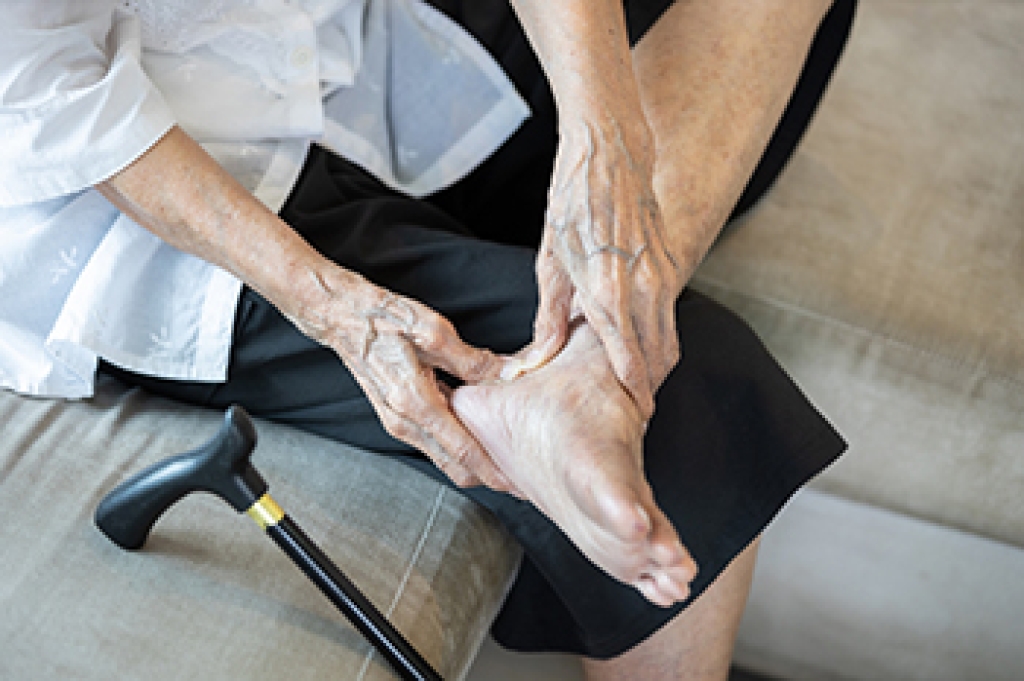
Common foot problems in elderly people include arthritis, bunions, and diabetic foot complications. These issues often develop due to the natural aging process, which affects joint health, circulation, and skin integrity. As people age, cartilage can wear down, leading to arthritis and stiffness in the feet. Bunions may form as a result of structural changes and long-term pressure on the joints. Diabetic foot problems can arise when high blood sugar affects nerve function and healing ability. The feet are often overlooked, yet they play a vital role in mobility and overall health.
Symptoms of these conditions may include joint pain, swelling, and difficulty walking. Bunions can cause visible deformity and discomfort, especially while wearing shoes. Numbness, tingling, or slow-healing wounds may indicate diabetic foot problems. Risk factors include aging, reduced circulation, chronic conditions such as diabetes, and wearing improper footwear. Limited flexibility and balance issues can also increase the likelihood of developing foot problems in older adults.
The causes of these conditions are closely linked to the aging process. With age, the body experiences reduced blood flow, thinning skin, and decreased cushioning in the feet. These changes can make the feet more vulnerable to injury and pressure-related conditions. A sedentary lifestyle can further reduce circulation and weaken muscles, making it more difficult to maintain proper foot function. Regular movement, wearing supportive footwear, and maintaining a healthy weight can help reduce stress on the feet and improve overall function.
Prevention focuses on daily foot care, proper hygiene, and routine monitoring for changes in skin or structure. Wearing well-fitted, supportive shoes can help reduce pressure and prevent deformities. Stretching and low-impact activity can support circulation and joint mobility. Early intervention can prevent minor issues from becoming more serious. If you are elderly and have developed foot problems, it is suggested that you consult a podiatrist for an accurate diagnosis and appropriate treatment.
Proper foot care is something many older adults forget to consider. If you have any concerns about your feet and ankles, contact Gregory Rorick, DPM from Rorick Podiatry, PC. Our doctor can provide the care you need to keep you pain-free and on your feet.
The Elderly and Their Feet
As we age we start to notice many changes in our body, but the elder population may not notice them right away. Medical conditions may prevent the elderly to take notice of their foot health right away. Poor vision is a lead contributor to not taking action for the elderly.
Common Conditions
Susceptible Infections
Diabetes and poor circulation can cause general loss of sensitivity over the years, turning a simple cut into a serious issue.
If you have any questions, please feel free to contact our office located in New York Mills, Utica, NY . We offer the newest diagnostic and treatment technologies for all your foot care needs.

Rheumatoid arthritis, often referred to as RA, is a chronic autoimmune condition in which the immune system mistakenly attacks the lining of the joints. This attack targets the connective tissue that supports and cushions the joints, leading to inflammation and damage over time. Unlike wear-and-tear arthritis, rheumatoid arthritis affects both sides of the body and can involve multiple joints, including those in the feet and ankles. The condition can interfere with daily movement and may progress if not properly managed.
Symptoms of rheumatoid arthritis in the feet commonly include painful inflammation, stiffness, and swelling in the joints. These symptoms are often worse in the morning or after periods of rest. Individuals may notice difficulty walking, reduced flexibility, and tenderness in the ball of the foot or toes. As the condition advances, joint deformities may develop, which can change foot shape and increase pressure in certain areas. Persistent discomfort can make routine activities more challenging.
The cause of rheumatoid arthritis is linked to an abnormal immune response, although the exact trigger is not fully understood. The immune system attacks the joint lining, causing inflammation that can damage cartilage and bone. This process can lead to joint instability and reduced function. Complications may extend beyond the joints and include skin issues, such as nodules, and circulatory concerns that affect overall health. These systemic effects highlight the importance of early recognition and care.
Risk factors for rheumatoid arthritis include genetic predisposition, female gender, and certain environmental influences. The condition can develop at any age, but is more common in middle-aged adults. Managing symptoms early can help protect joint health and maintain mobility. Wearing supportive footwear and regular monitoring can reduce stress on affected joints. If you have symptoms of RA in your feet, it is suggested that you are under the care of a podiatrist who can offer effective relief and management tips.
Because RA affects more than just your joints, including the joints in your feet and ankles, it is important to seek early diagnosis from your podiatrist if you feel like the pain in your feet might be caused by RA. For more information, contact Gregory Rorick, DPM of Rorick Podiatry, PC. Our doctor will assist you with all of your podiatric concerns.
What Is Rheumatoid Arthritis?
Rheumatoid Arthritis (RA) is an autoimmune disorder in which the body’s own immune system attacks the membranes surrounding the joints. Inflammation of the lining and eventually the destruction of the joint’s cartilage and bone occur, causing severe pain and immobility.
Rheumatoid Arthritis of the Feet
Although RA usually attacks multiple bones and joints throughout the entire body, almost 90 percent of cases result in pain in the foot or ankle area.
Symptoms
Diagnosis
Quick diagnosis of RA in the feet is important so that the podiatrist can treat the area effectively. Your doctor will ask you about your medical history, occupation, and lifestyle to determine the origin of the condition. Rheumatoid Factor tests help to determine if someone is affected by the disease.
If you have any questions, please feel free to contact our office located in New York Mills, Utica, NY . We offer the newest diagnostic and treatment technologies for all your foot care needs.
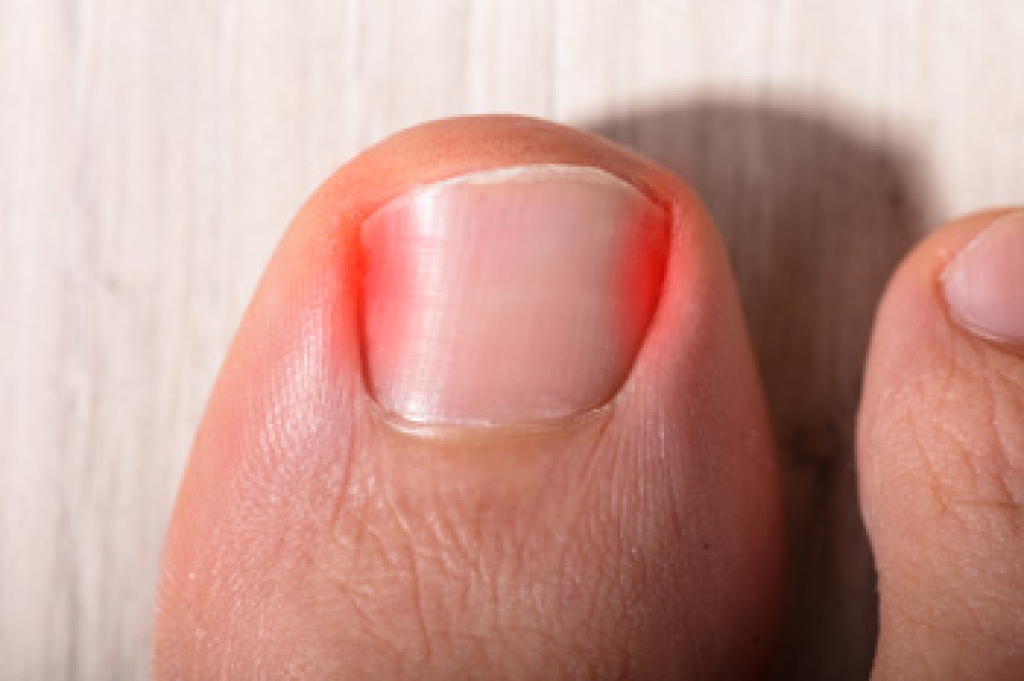
An ingrown toenail is a common foot condition that occurs when the edge of the nail grows into the surrounding skin. This often affects the big toe and can lead to discomfort and inflammation if not addressed early. The condition develops gradually and may begin with mild irritation before progressing into more noticeable pain. Ingrown toenails are frequently linked to improper nail care or external pressure on the toes. Understanding how this condition forms helps individuals take preventive steps and maintain proper foot health.
Several causes contribute to the development of an ingrown toenail. Poorly fitting shoes that crowd the toes place continuous pressure on the nail, forcing it to grow into the skin. Improper nail trimming is another leading factor, especially when nails are cut too short or rounded at the edges, instead of straight across. Repetitive stress from activities such as running or prolonged standing can also increase risk. In some cases, natural nail shape or inherited traits make certain individuals more prone to this condition.
Symptoms of an ingrown toenail often begin with localized pain along the nail edge. As the condition progresses, redness and swelling may develop in the surrounding skin. The area can become tender to the touch and uncomfortable when wearing shoes or walking. In more advanced cases, infection may occur, leading to increased swelling, warmth, and drainage. Early recognition of these symptoms is important to prevent worsening discomfort and complications.
Risk factors include wearing tight footwear, improper grooming habits, excessive sweating, and activities that place repeated pressure on the toes. Individuals with curved nails or previous nail injuries may also face a higher likelihood of recurrence. Proper foot care, including wearing well-fitting shoes and maintaining correct trimming techniques, can reduce risk. Treatment may involve relieving pressure, addressing inflammation, and preventing infection. If you have an ingrown toenail, it is suggested that you consult a podiatrist for an accurate diagnosis and appropriate treatment.
Ingrown toenails may initially present themselves as a minor discomfort, but they may progress into an infection in the skin without proper treatment. For more information about ingrown toenails, contact Gregory Rorick, DPM of Rorick Podiatry, PC. Our doctor can provide the care you need to keep you pain-free and on your feet.
Ingrown Toenails
Ingrown toenails are caused when the corner or side of a toenail grows into the soft flesh surrounding it. They often result in redness, swelling, pain, and in some cases, infection. This condition typically affects the big toe and may recur if it is not treated properly.
Causes
You are more likely to develop an ingrown toenail if you are obese, have diabetes, arthritis, or have any fungal infection in your nails. Additionally, people who have foot or toe deformities are at a higher risk of developing an ingrown toenail.
Symptoms
Some symptoms of ingrown toenails are redness, swelling, and pain. In rare cases, there may be a yellowish drainage coming from the nail.
Treatment
Ignoring an ingrown toenail can have serious complications. Infections of the nail border can progress to a deeper soft-tissue infection, which can then turn into a bone infection. You should always speak with your podiatrist if you suspect you have an ingrown toenail, especially if you have diabetes or poor circulation.
If you have any questions, please feel free to contact our office located in New York Mills, Utica, NY . We offer the newest diagnostic and treatment technologies for all your foot care needs.
