
Suffering from this type of pain? You may have the foot condition known as Morton's neuroma. Morton's neuroma may develop as a result of ill-fitting footwear and existing foot deformities. We can help.
Suffering from this type of pain? You may have the foot condition known as Morton's neuroma. Morton's neuroma may develop as a result of ill-fitting footwear and existing foot deformities. We can help.
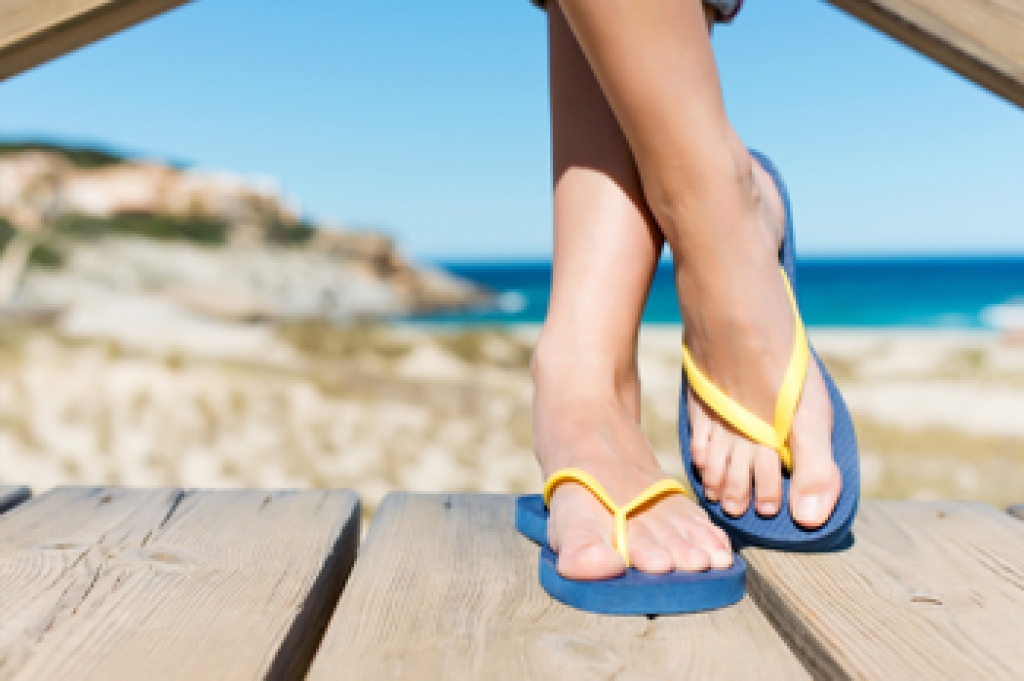
Flip-flops are a popular choice for warm weather because they are lightweight and easy to wear. Although they are convenient, they are not designed to provide the same support as well-made walking shoes. Most flip-flops have thin soles and very little arch support. They also require the toes to grip the sandal while walking, which can place extra strain on the muscles and tendons of the foot. Wearing flip-flops for long periods of time can increase the risk of heel pain, arch pain, and tendon irritation. They also provide very little protection from sharp objects or uneven ground. Patients who already have bunions, flat feet, or plantar fasciitis can notice that their symptoms become worse when wearing flip-flops too frequently.
A podiatrist can evaluate foot pain that develops after wearing flip-flops and determine whether another condition is responsible for the discomfort. The examination includes checking foot alignment, flexibility, and muscle strength. The podiatrist also observes how the patient stands and walks to identify movement problems that increase stress on the feet. Shoes that lack proper support can change the way the foot moves and place extra pressure on the heel, arch, and toes. A complete evaluation helps identify the source of the pain and allows the podiatrist to recommend the most appropriate treatment. Early diagnosis can help prevent minor problems from becoming more serious.
Treatment depends on the patient's symptoms and the condition affecting the foot. A podiatrist can recommend shoes that provide better support for daily activities while reducing unnecessary strain on the feet. Care also includes custom orthotics that improve foot alignment and distribute pressure more evenly. Patients with ongoing pain can benefit from stretching and strengthening exercises that improve stability and flexibility. In rare cases, severe damage to tendons or joints can require surgery to restore normal foot function. If you have foot pain related to wearing flip-flops, it is suggested that you schedule an appointment with a podiatrist for a diagnosis and appropriate treatment.
Flip-flops are not always the best choice of footwear. If you have any concerns about your feet or ankles, contact Gregory Rorick, DPM from Rorick Podiatry, PC. Our doctor will assist you with all of your foot and ankle needs.
Flip-Flops and Feet
When the weather starts warming up, people enjoy wearing flip-flops. Flip-flops are comfortable, stylish, and easy to slip on and off; they're perfect for any summer beach goer. However, these shoes can cause harm to the feet.
How Can Flip-Flops Affect Me Long-Term?
Are There Injuries Associated with Flip-Flops?
Yes. Since flip-flops are relatively weak and do not provide the same amount of support as sneakers, people who wear flip-flops regularly are more susceptible to injuries. On top of that, the open nature of the shoe makes your feet more prone to other problems, such as cuts and even infections. Common injuries and ailments include:
I like Wearing Flip-Flops. Are There Safe Alternatives?
When buying flip-flops, try to find ones that have sturdy soles and that are made of high-quality materials that will support for your feet. These flip-flops will cost more but will also last longer as a result.
If you have any questions, please feel free to contact our office located in New York Mills, Utica, NY . We offer the newest diagnostic and treatment technologies for all your foot care needs.
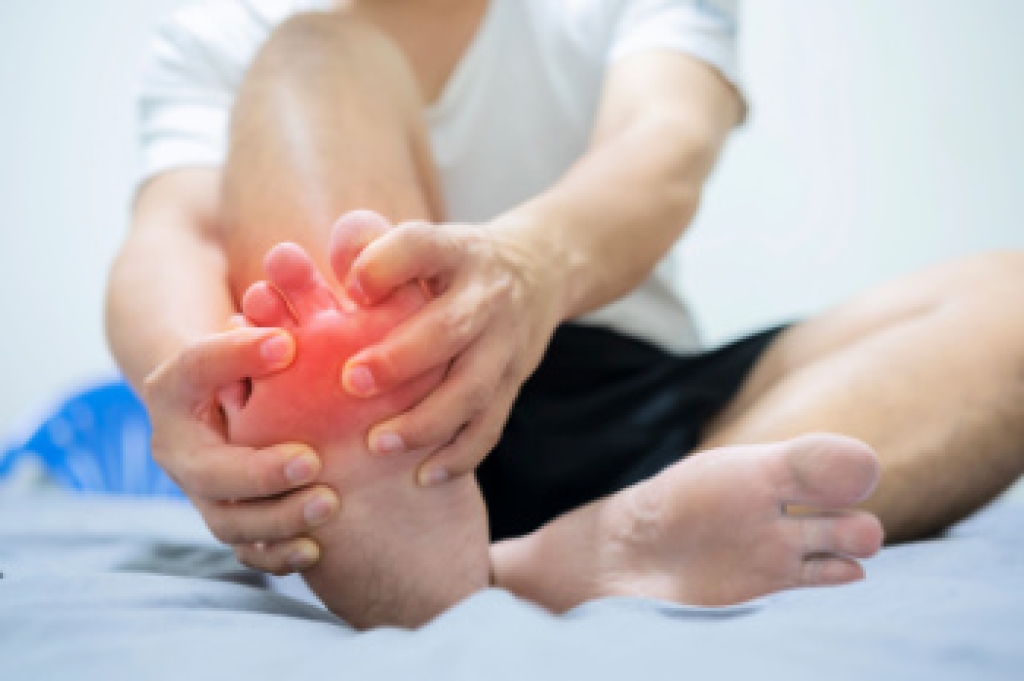
Toe pain is a common complaint that can affect daily movement, balance, and comfort. It is defined as discomfort that occurs in one or more of the toe joints, often caused by inflammation, structural changes, or underlying medical conditions. One of the most frequent causes of persistent toe pain is arthritis, which involves joint inflammation that leads to stiffness, swelling, and reduced mobility. When arthritis develops in the toes, it can interfere with walking and standing, especially if left untreated.
Symptoms of toe arthritis often begin with mild discomfort but can progress over time. Common signs include joint stiffness, redness, and a limited range of motion. Many patients report pain that worsens with activity and improves with rest. Inflammation may also cause the toes to feel warm or tender to the touch. As the condition advances, deformities or changes in toe alignment may occur, making it more difficult to wear shoes comfortably.
There are several types of arthritis that can affect the toes. Rheumatoid arthritis is an autoimmune condition that causes joint inflammation and damage. Gout is another common form, resulting from the buildup of uric acid crystals in the joint, often leading to sudden and severe pain. Psoriatic arthritis is associated with skin conditions and can affect the toes with swelling and stiffness. Infectious arthritis, although less common, occurs when bacteria enter the joint and cause inflammation. Risk factors include age, family history, obesity, prior joint injuries, and chronic conditions such as diabetes.
Understanding the cause of toe pain is essential for proper treatment and long term relief. Management may include anti-inflammatory care, footwear modification, orthotics, and lifestyle changes to reduce joint stress. Early diagnosis can help prevent further joint damage and improve mobility. If you have toe pain, it may be toe arthritis, and it is strongly suggested that you consult a podiatrist for an accurate diagnosis and effective relief and management solutions.
Toe pain can disrupt your daily activities. If you have any concerns, contact Gregory Rorick, DPM of Rorick Podiatry, PC. Our doctor can provide the care you need to keep you pain-free and on your feet.
What Causes Toe Pain?
Most severe toe pain is caused due to a sports injury, trauma from dropping something heavy on the toe, or bumping into something rigid. Other problems can develop over time for various reasons.
Toe pain can be caused by one or more ailments. The most common include:
When to See a Podiatrist
Diagnosis
In many cases the cause of toe pain is obvious, but in others, a podiatrist may want to use more advanced methods to determine the problem. These can range from simple visual inspections and sensation tests to X-rays and MRI scans. Prior medical history, family medical history, and any recent physical traumatic events will all be taken into consideration for a proper diagnosis.
Treatment
Treatments for toe pain and injuries vary and may include shoe inserts, padding, taping, medicines, injections, and in some cases, surgery. If you believe that you have broken a toe, please see a podiatrist as soon as possible.
If you have any questions please contact our office located in New York Mills, Utica, NY . We offer the newest diagnostic and treatment technologies for all your foot and ankle needs.
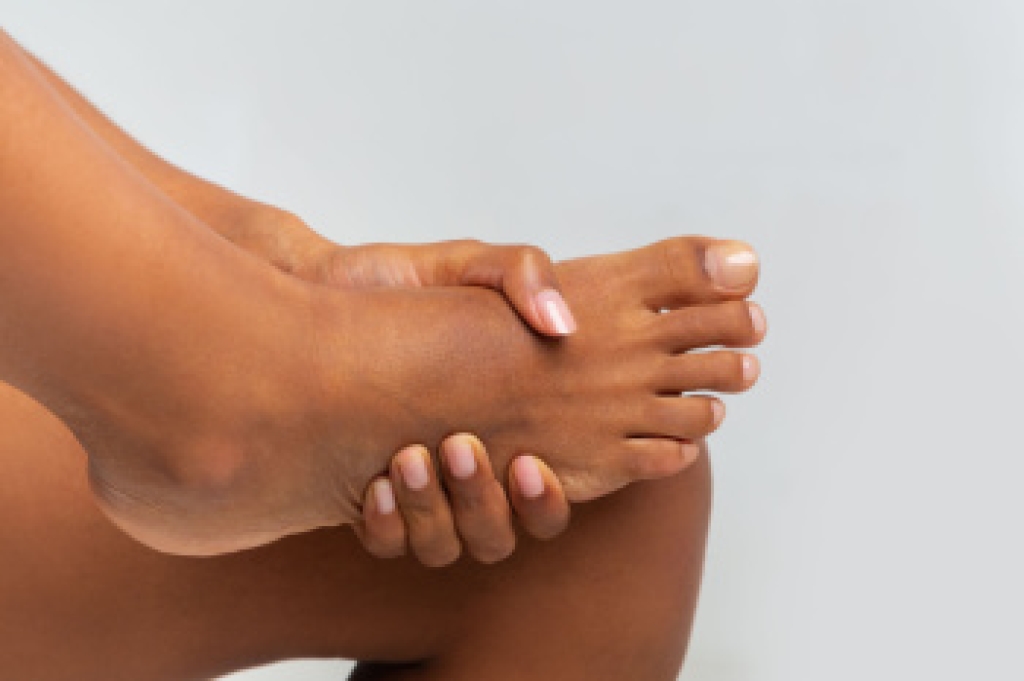
Your feet support your body with every step, making everyday foot care an important part of staying active and comfortable. Healthy feet help you walk, exercise, and complete daily activities with less discomfort. However, small foot problems can become larger concerns when they are ignored. Pain, changes in the skin, or changes in the toenails may be early signs that something is wrong. People with diabetes, poor circulation, or certain medical conditions have a greater risk of developing serious foot problems and should pay close attention to any changes. Paying attention to your foot health and seeking professional care when concerns arise can help prevent more serious complications and keep you moving with confidence.
A podiatrist plays an important role in protecting your long-term foot health. During an examination, a podiatrist can identify problems that may not be obvious and recommend treatment before they become more serious. Professional care may include treating foot pain, managing nail disorders, or addressing skin conditions that affect the feet. A podiatrist can also evaluate the way your feet function and determine whether an underlying condition is placing extra stress on your joints or soft tissues. Early diagnosis and treatment often lead to better outcomes and may help reduce the risk of long-term discomfort.
Regular podiatry visits can help keep your feet healthy and support your overall mobility throughout life. Professional foot care is especially valuable if you notice ongoing pain, changes in the appearance of your feet, or problems that do not improve. Seeking care early allows a podiatrist to address concerns before they interfere with your daily routine. Whether you need treatment for foot pain, nail conditions, or other foot concerns, professional podiatry care is designed to help you stay active and protect your foot health. If you notice ongoing foot pain or other changes in your feet, it is suggested that you consult a podiatrist for an evaluation and appropriate treatment options.
Everyday foot care is very important to prevent infection and other foot ailments. If you need your feet checked, contact Gregory Rorick, DPM from Rorick Podiatry, PC. Our doctor can provide the care you need to keep you pain-free and on your feet.
Everyday Foot Care
Often, people take care of their bodies, face and hair more so than they do for their feet. But the feet are a very important aspect of our bodies, and one that we should pay more attention to. Without our feet, we would not be able to perform most daily tasks.
It is best to check your feet regularly to make sure there are no new bruises or cuts that you may not have noticed before. For dry feet, moisturizer can easily be a remedy and can be applied as often as necessary to the affected areas. Wearing shoes that fit well can also help you maintain good foot health, as well as making it easier to walk and do daily activities without the stress or pain of ill-fitting shoes, high heels, or even flip flops. Wearing clean socks with closed shoes is important to ensure that sweat and bacteria do not accumulate within the shoe. Clean socks help to prevent Athlete’s foot, fungi problems, bad odors, and can absorb sweat.
If you have any questions, please feel free to contact our office located in New York Mills, Utica, NY . We offer the newest diagnostic and treatment technologies for all your foot care needs.

Corns on the feet are thick, hardened areas of skin that develop in response to repeated pressure or friction. They often form on the tops or sides of the toes, between the toes, or on weight-bearing areas of the feet. Corns are the body’s way of protecting the skin, but they can become painful when pressure continues. Common causes include tight shoes, toe deformities, abnormal foot mechanics, or areas where bones rub against footwear. Symptoms may include foot pain, tenderness, a raised patch of hard skin, or discomfort when walking.
Although corns may seem like a simple skin problem, they can interfere with daily activities and overall foot health. Painful corns can make it difficult to wear shoes comfortably, stand for long periods of time, or walk normally. Some corns are hard and dry, while others may develop between the toes, where the skin stays softer. People with diabetes, poor circulation, or nerve problems should be especially cautious because even small areas of pressure can lead to more serious complications. Since corns can look similar to other foot conditions, an accurate diagnosis is important before treatment begins.
A podiatrist is a foot and ankle specialist who can diagnose corns on the feet and identify what is causing the pressure. During an evaluation, a podiatrist may examine the skin, assess foot structure, and check how the foot moves during walking. Treatment may include professional corn removal, pressure relief, custom orthotics, footwear guidance, or care for related toe problems. Addressing the underlying cause can help reduce pain and lower the chance of recurring corns. Professional podiatry care is especially important when corns are painful, return often, or appear with redness, swelling, or drainage. If you have painful corns on your feet, recurring skin thickening, or difficulty walking due to pressure-related foot pain, it is suggested that you consult a podiatrist for effective relief and treatment options.
Corns can make walking very painful and should be treated immediately. If you have questions regarding your feet and ankles, contact Gregory Rorick, DPM of Rorick Podiatry, PC. Our doctor will treat your foot and ankle needs.
Corns: What Are They? And How Do You Get Rid of Them?
Corns are thickened areas on the skin that can become painful. They are caused by excessive pressure and friction on the skin. Corns press into the deeper layers of the skin and are usually round in shape.
Ways to Prevent Corns
There are many ways to get rid of painful corns such as:
Treating Corns
Although most corns slowly disappear when the friction or pressure stops, this isn’t always the case. Consult with your podiatrist to determine the best treatment option for your case of corns.
If you have any questions, please feel free to contact our office located in New York Mills, Utica, NY . We offer the newest diagnostic and treatment technologies for all your foot care needs.
