
Your feet are covered most of the day. If you're diabetic, periodic screening is important for good health. Numbness is often a sign of diabetic foot and can mask a sore or wound.
Your feet are covered most of the day. If you're diabetic, periodic screening is important for good health. Numbness is often a sign of diabetic foot and can mask a sore or wound.
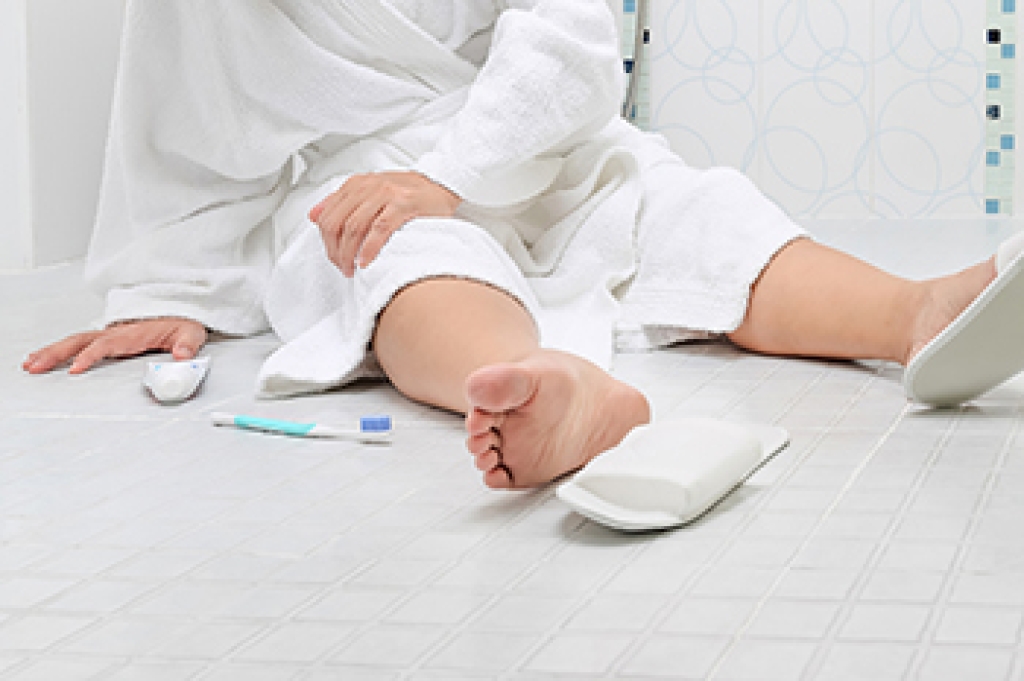
As people age, changes in the lower limbs can quietly raise the chance of losing stability and stumbling. Reduced muscle power in the toes, along with stiff joints, can alter walking patterns and slow reactions. Ill-fitting shoes or worn soles further increase the likelihood of trips. Many seniors also develop sensory loss, making it harder to detect surfaces and obstacles. Targeted care can help, including tailored exercises for the lower limbs and guidance on properly fitted, supportive shoes. Regular assessment allows early identification of issues and timely management. Addressing these factors can improve confidence during daily activities and lower injury risk. Podiatrists can recommend skin care, orthoses, and routine nail maintenance, while coordinating with other clinicians to support safer movement and independence at home and in the community. If you are a senior and have developed foot pain or are looking for additional fall prevention tips, it is suggested that you schedule routine visits with a podiatrist.
Preventing falls among the elderly is very important. If you are older and have fallen or fear that you are prone to falling, consult with Gregory Rorick, DPM from Rorick Podiatry, PC. Our doctor will assess your condition and provide you with quality advice and care.
Every 11 seconds, an elderly American is being treated in an emergency room for a fall related injury. Falls are the leading cause of head and hip injuries for those 65 and older. Due to decreases in strength, balance, senses, and lack of awareness, elderly persons are very susceptible to falling. Thankfully, there are a number of things older persons can do to prevent falls.
How to Prevent Falls
Some effective methods that older persons can do to prevent falls include:
Falling can be a traumatic and embarrassing experience for elderly persons; this can make them less willing to leave the house, and less willing to talk to someone about their fears of falling. Doing such things, however, will increase the likelihood of tripping or losing one’s balance. Knowing the causes of falling and how to prevent them is the best way to mitigate the risk of serious injury.
If you have any questions, please feel free to contact our office located in New York Mills, Utica, NY . We offer the newest diagnostic and treatment technologies for all your foot care needs.
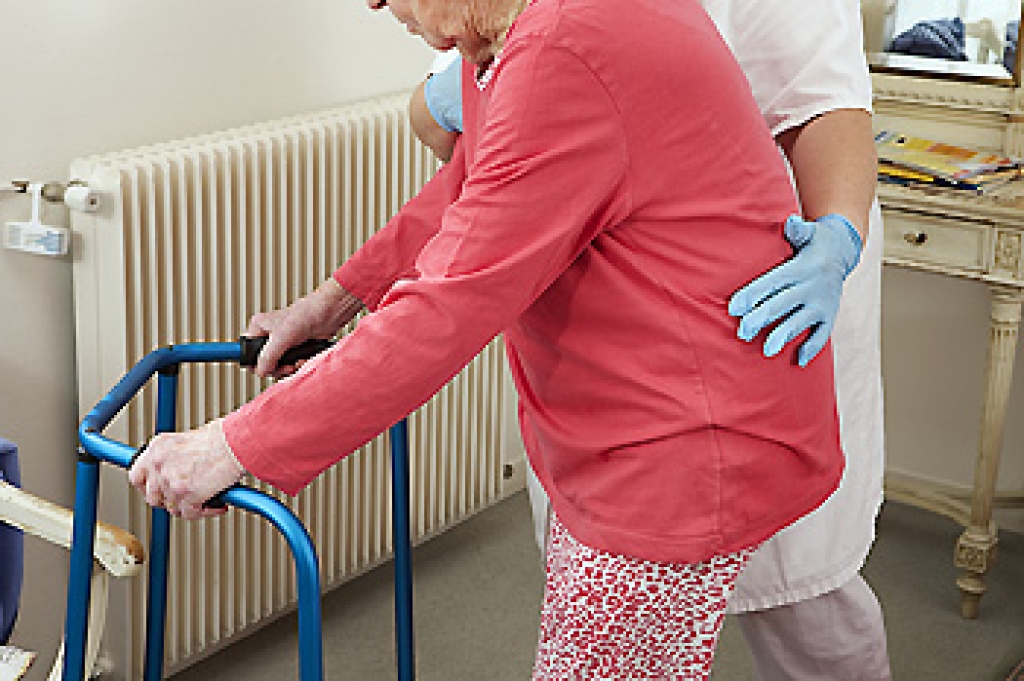
As people get older, the smaller muscles in the foot can weaken as part of age-related muscle loss. These muscles help the toes bend and grip the ground during walking. When they lose strength, the toes may not press down as well, which can affect balance and control with each step. This may make walking feel less steady and can increase the risk of trips or falls. The change is often gradual and may go unnoticed until movement becomes more difficult. Wearing supportive shoes, simple strengthening exercises, and balance training can help improve stability and confidence. Paying attention to early signs, such as toe weakness or changes in walking pattern, can make a difference, over time. If you feel less steady on your feet or notice reduced toe strength, it is suggested that you see a podiatrist for an evaluation and guidance.
If you need your feet checked, contact Gregory Rorick, DPM of Rorick Podiatry, PC. Our doctor will attend to all of your foot and ankle needs and provide you with quality treatment.
Geriatrics and Podiatry
When people age, some common issues that may occur are bone density loss, dry skin, poor circulation, and rough brittle nails. These issues may also affect your foot health if the necessary steps are not taken to alleviate the problems.
It is important to take care of your feet because feet that are injured or diseased can affect your overall health. Having painful feet hinders your ability to do daily activities or may decrease your willingness to do the things that you need to do.
Visiting Your Geriatrician
As we age, health problems become more likely, so it is essential to visit your doctor for check-ups to ensure that you are doing the best you can to take care of your health. It is recommended to check your feet frequently for any possible cuts, bruises, swelling, corns or any other irregularities.
Taking Care of Elderly Feet
Cracked or dry feet can be treated by applying moisturizer often. It is also important not to wear old socks because the older the sock is, the higher the possibility there will be that there is bacteria there. Wear fresh socks and make sure they fit properly.
Proper foot health means that you can have a more active lifestyle and you will not be bogged down by pain. Foot health also leads to good circulation, which is paramount for overall health.
If you have any questions, please feel free to contact our office located in New York Mills, Utica, NY . We offer the newest diagnostic and treatment technologies for all your foot care needs.
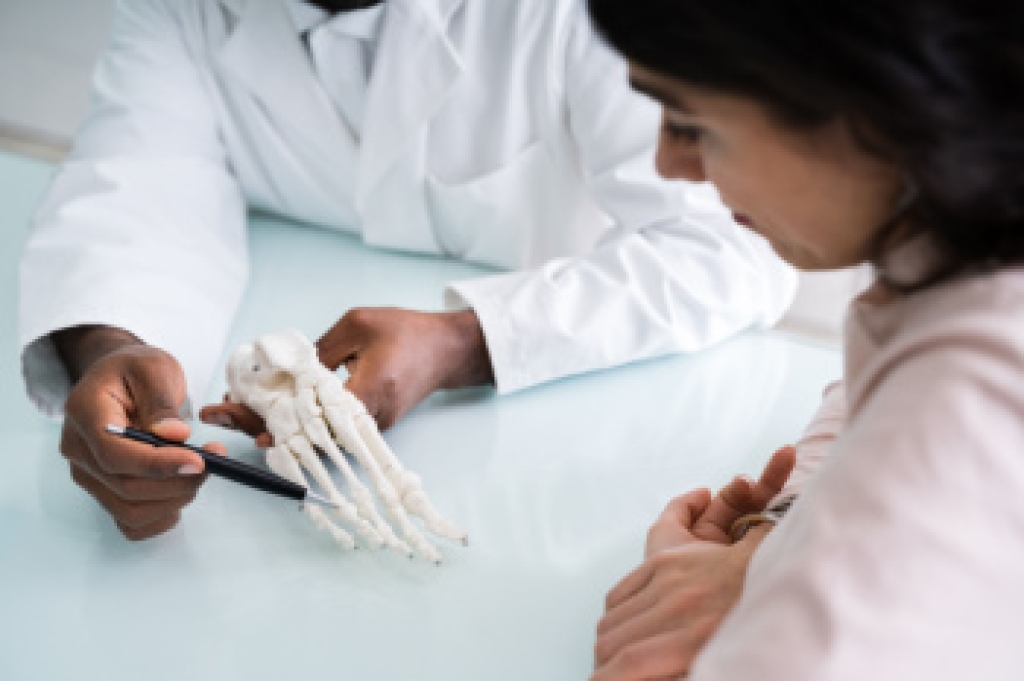
Podiatry care is evolving, and changes in how podiatrists are trained can directly benefit patients. New learning experiences allow future podiatrists to gain skills beyond traditional clinic settings, including areas like surgery, research, and patient education. This broader training helps them better understand complex foot and ankle conditions. In addition, some programs now include remote and hybrid learning, which can improve access to care as providers become more comfortable using different ways to connect with patients. These changes may also reduce strain on busy clinics, allowing for more focused and efficient patient visits. As podiatry education grows, it aims to prepare providers who are adaptable and able to meet a wide range of patient needs. This can lead to improved care, earlier diagnosis, and better long-term outcomes. If you have ongoing foot or ankle concerns, it is suggested that you seek care from a podiatrist.
If you are experiencing pain in the feet or ankles, don’t join the stubborn majority refusing treatment. Feel free to contact Gregory Rorick, DPM from Rorick Podiatry, PC. Our doctor can provide the care you need to keep you pain-free and on your feet.
What Is a Podiatrist?
Someone would seek the care of a podiatrist if they have suffered a foot injury or have common foot ailments such as heal spurs, bunions, arch problems, deformities, ingrown toenails, corns, foot and ankle problems, etc.
Podiatric Treatment
A podiatrist will treat the problematic areas of the feet, ankle or lower leg by prescribing the following:
A common podiatric procedure a podiatrist will use is a scanner or force plate which will allow the podiatrist to know the designs of orthotics. Patients are then told to follow a series of tasks to complete the treatment. The computer will scan the foot a see which areas show weight distribution and pressure points. The podiatrist will read the analysis and then determine which treatment plans are available.
If you have any questions, please feel free to contact our office located in New York Mills, Utica, NY . We offer the newest diagnostic and treatment technologies for all your foot care needs.

Ankle replacement surgery is designed to remove damaged ankle joint surfaces and replace them with artificial components to restore movement and reduce pain. It is often needed when severe arthritis or joint degeneration limits mobility and daily function. The surgery involves reshaping the bones and inserting prosthetic parts that allow smoother joint motion. Causes leading to this procedure include advanced arthritis, previous fractures, or chronic joint wear. Risk factors include aging, obesity, and prior ankle injuries. A podiatrist plays an important role by diagnosing joint damage, recommending treatment options, and guiding recovery and rehabilitation. If you have chronic ankle pain, it is suggested that you consult a podiatrist who can determine if this type of foot surgery is right for you.
Foot surgery is sometimes necessary to treat a foot ailment. To learn more, contact Gregory Rorick, DPM of Rorick Podiatry, PC. Our doctor will assist you with all of your foot and ankle needs.
When Is Surgery Necessary?
Foot and ankle surgery is generally reserved for cases in which less invasive, conservative procedures have failed to alleviate the problem. Some of the cases in which surgery may be necessary include:
What Types of Surgery Are There?
The type of surgery you receive will depend on the nature of the problem you have. Some of the possible surgeries include:
Benefits of Surgery
Although surgery is usually a last resort, it can provide more complete pain relief compared to non-surgical methods and may allow you to finally resume full activity.
Surgical techniques have also become increasingly sophisticated. Techniques like endoscopic surgery allow for smaller incisions and faster recovery times.
If you have any questions, please feel free to contact our office located in New York Mills, Utica, NY . We offer the newest diagnostic and treatment technologies for all your foot care needs.
