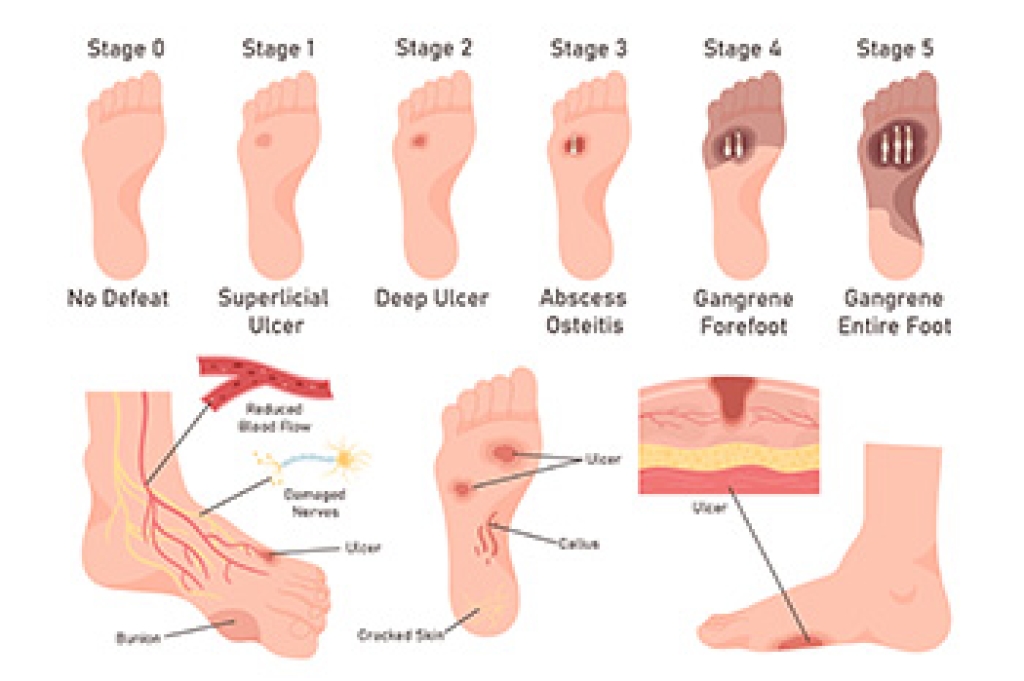
How Everyday Injuries Can Lead to Diabetic Foot Ulcers

Foot ulcers are a serious concern for people living with diabetes. Many of these wounds begin with a simple injury to the foot. A small cut, blister, burn, or pressure from wearing tight shoes can damage the skin. Because diabetes can reduce feeling in the feet, a person may not notice the injury right away. Continued walking or pressure on the area can cause the skin to break down and develop into an open sore. Sharp objects, rubbing from footwear, or repeated stress during daily activity can all trigger these wounds. Once the skin is damaged, healing may be slow, which increases the risk of infection and more serious complications. Daily foot checks, supportive footwear, and quick care for even minor injuries can help prevent problems. If you have diabetes and notice any sore or redness, it is suggested that you visit a podiatrist for prompt evaluation and appropriate treatment.

Diabetic foot care is important in preventing foot ailments such as ulcers. If you are suffering from diabetes or have any other concerns about your feet, contact Gregory Rorick, DPM from Rorick Podiatry, PC. Our doctor can provide the care you need to keep you pain-free and on your feet.

Diabetic Foot Care

Diabetes affects millions of people every year. The condition can damage blood vessels in many parts of the body, especially the feet. Because of this, taking care of your feet is essential if you have diabetes, and having a podiatrist help monitor your foot health is highly recommended.

The Importance of Caring for Your Feet

  • Routinely inspect your feet for bruises or sores.
  • Wear socks that fit your feet comfortably.
  • Wear comfortable shoes that provide adequate support.

Patients with diabetes should have their doctor monitor their blood levels, as blood sugar levels play such a huge role in diabetic care. Monitoring these levels on a regular basis is highly advised.

It is always best to inform your healthcare professional of any concerns you may have regarding your feet, especially for diabetic patients. Early treatment and routine foot examinations are keys to maintaining proper health, especially because severe complications can arise if proper treatment is not applied.

If you have any questions, please feel free to contact our office located in New York Mills, Utica, NY . We offer the newest diagnostic and treatment technologies for all your foot care needs.

Read more about Diabetic Foot Care

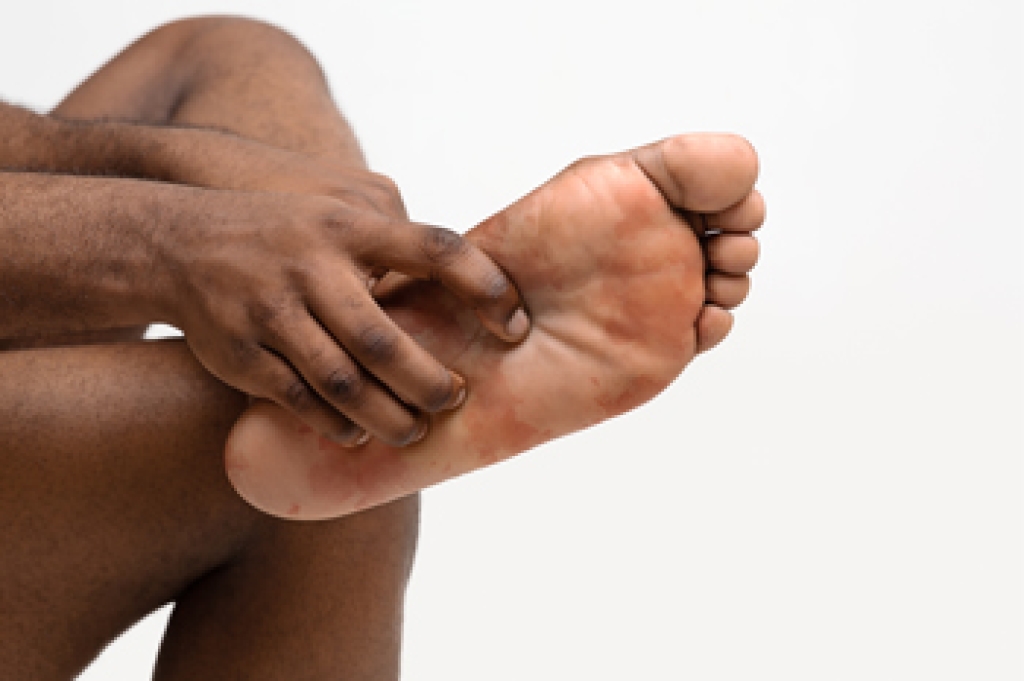
Neuropathy and Its Impact on Foot Health

Neuropathy is a nerve-related condition defined as damage or dysfunction of the peripheral nerves that transmit signals between the brain, spinal cord, and the rest of the body. When neuropathy affects the feet, it can alter normal sensation and movement, which may increase the risk of unnoticed injuries. One of the most common causes is diabetes, which may gradually damage nerves through long-term changes in blood glucose levels. Symptoms include numbness, tingling, burning sensations, pain, and muscle weakness in the feet or lower legs. Risk factors may involve chronic health conditions, poor circulation, and prolonged nerve irritation. A podiatrist can evaluate nerve-related symptoms, monitor foot health, and recommend protective care. If foot numbness or burning sensations develop, it is suggested that you consult a podiatrist who can help you to manage this condition.

Neuropathy

Neuropathy can be a potentially serious condition, especially if it is left undiagnosed. If you have any concerns that you may be experiencing nerve loss in your feet, consult with Gregory Rorick, DPM from Rorick Podiatry, PC. Our doctor will assess your condition and provide you with quality foot and ankle treatment for neuropathy.

What Is Neuropathy?

Neuropathy is a condition that leads to damage to the nerves in the body. Peripheral neuropathy, or neuropathy that affects your peripheral nervous system, usually occurs in the feet. Neuropathy can be triggered by a number of different causes. Such causes include diabetes, infections, cancers, disorders, and toxic substances.

Symptoms of Neuropathy Include:

  • Numbness
  • Sensation loss
  • Prickling and tingling sensations
  • Throbbing, freezing, burning pains
  • Muscle weakness

Those with diabetes are at serious risk due to being unable to feel an ulcer on their feet. Diabetics usually also suffer from poor blood circulation. This can lead to the wound not healing, infections occurring, and the limb may have to be amputated.

Treatment

To treat neuropathy in the foot, podiatrists will first diagnose the cause of the neuropathy. Figuring out the underlying cause of the neuropathy will allow the podiatrist to prescribe the best treatment, whether it be caused by diabetes, toxic substance exposure, infection, etc. If the nerve has not died, then it’s possible that sensation may be able to return to the foot.

Pain medication may be issued for pain. Electrical nerve stimulation can be used to stimulate nerves. If the neuropathy is caused from pressure on the nerves, then surgery may be necessary.

If you have any questions, please feel free to contact our office located in New York Mills, Utica, NY . We offer the newest diagnostic and treatment technologies for all your foot care needs.

Read more about Neuropathy

Causes of Pain in the Ball of the Foot

Pain in the ball of the foot can develop when excessive pressure is placed on the area beneath the toes. Common causes include repetitive exercise, running, and wearing shoes that are too tight. Morton's neuroma, bursitis, or a bunion that changes normal foot alignment may also play a role. Risk factors include high impact activities, poor footwear choices, foot structure changes, and prolonged standing or walking. Symptoms frequently include burning discomfort, tenderness, swelling, and increased pain during movement or weight bearing. Without proper care, this discomfort may interfere with daily activities and physical performance. A podiatrist can evaluate foot structure, identify the source of pain, and recommend supportive footwear or custom orthotic devices. If you have pain in this part of your foot, it is suggested that you consult a podiatrist who can determine the cause and offer effective relief and treatment solutions. 

Foot Pain

Foot pain can be extremely painful and debilitating. If you have a foot pain, consult with Gregory Rorick, DPM from Rorick Podiatry, PC. Our doctor will assess your condition and provide you with quality foot and ankle treatment.

Causes

Foot pain is a very broad condition that could be caused by one or more ailments. The most common include:

  • Bunions
  • Hammertoes
  • Plantar Fasciitis
  • Bone Spurs
  • Corns
  • Tarsal Tunnel Syndrome
  • Ingrown Toenails
  • Arthritis (such as Gout, Rheumatoid, and Osteoarthritis)
  • Flat Feet
  • Injury (from stress fractures, broken toe, foot, ankle, Achilles tendon ruptures, and sprains)
  • And more

Diagnosis

To figure out the cause of foot pain, podiatrists utilize several different methods. This can range from simple visual inspections and sensation tests to X-rays and MRI scans. Prior medical history, family medical history, and any recent physical traumatic events will all be taken into consideration for a proper diagnosis.

Treatment

Treatment depends upon the cause of the foot pain. Whether it is resting, staying off the foot, or having surgery; podiatrists have a number of treatment options available for foot pain.

If you have any questions, please feel free to contact our office located in New York Mills, Utica, NY . We offer the newest diagnostic and treatment technologies for all your foot care needs.
Read more about Foot Pain

When 3 Parts of the Ankle Are Broken

When three parts of the ankle break at the same time, the injury is serious and often unstable. The ankle is made up of the lower ends of the two leg bones and the back portion of the shinbone, all of which work together to form the joint that allows the foot to move up, down, and side to side. These bones also help hold strong bands of tissue in place that keep the ankle steady. A broken ankle of this type usually happens during a high-impact event, such as a car accident, a fall from a height, or a sports injury that causes the ankle to twist forcefully. Severe pain, swelling, bruising, visible deformity, and an inability to stand or walk are common symptoms. Diagnosis requires imaging to see how the bones are positioned. Treatment likely involves surgery to realign the bones and secure them with hardware so the joint can heal properly. If you have broken an ankle, it is suggested that you make an emergency appointment with a podiatrist for an exam, diagnosis, and treatment.

test

Read more about All About Broken Ankles

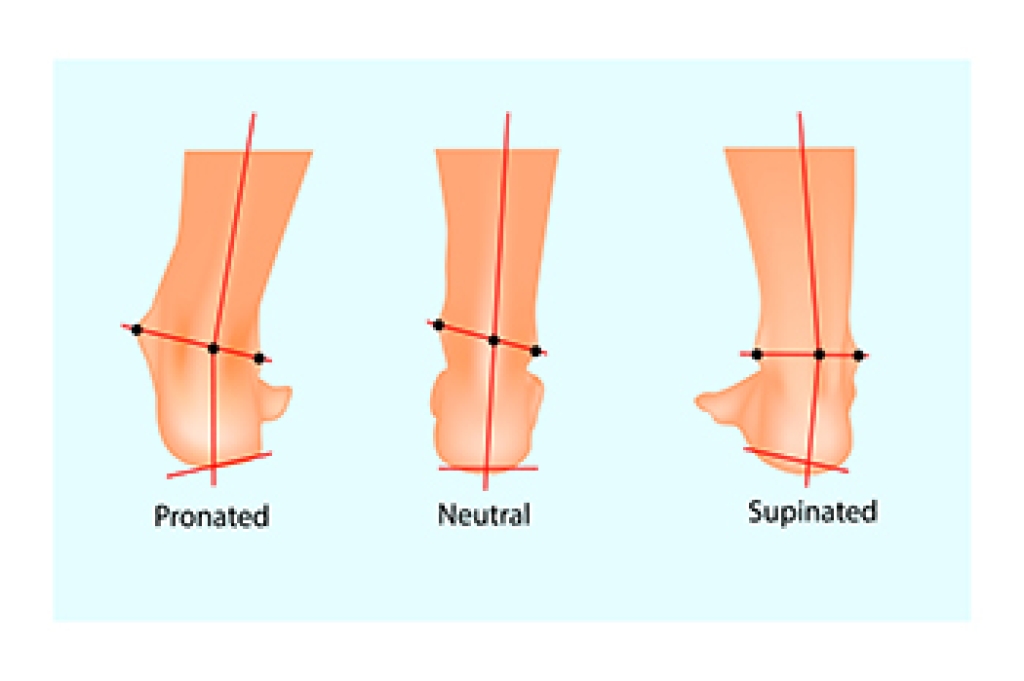
How Pronation Affects Your Feet

Pronation is the inward roll of the foot during walking that helps absorb shock as the heel meets the ground. In a balanced gait, the arch lowers, weight moves toward the big toe, and the foot becomes stable for push-off. With overpronation, the ankle rolls too far inward and continues moving after it should properly stabilize, placing strain on the big toe, arch, and lower leg. This can contribute to shin splints, tendon irritation, and knee discomfort. Underpronation, or supination, keeps weight along the outer border of the foot and is linked to ankle instability and repetitive stress injuries. A podiatrist can analyze gait and assess alignment. They can also provide medical treatment options and custom orthotic devices to improve stability and reduce harmful pressure on joints and soft tissues. If you regularly have foot pain after activity, it is suggested that you make an appointment with a podiatrist for an exam, diagnosis, and treatment.

If you have any concerns about your feet, contact Gregory Rorick, DPM from Rorick Podiatry, PC. Our doctor can provide the care you need to keep you pain-free and on your feet.

Biomechanics in Podiatry

Podiatric biomechanics is a particular sector of specialty podiatry with licensed practitioners who are trained to diagnose and treat conditions affecting the foot, ankle and lower leg. Biomechanics deals with the forces that act against the body, causing an interference with the biological structures. It focuses on the movement of the ankle, the foot and the forces that interact with them.

A History of Biomechanics

  • Biomechanics dates back to the BC era in Egypt where evidence of professional foot care has been recorded.
  • In 1974, biomechanics gained a higher profile from the studies of Merton Root, who claimed that by changing or controlling the forces between the ankle and the foot, corrections or conditions could be implemented to gain strength and coordination in the area.

Modern technological improvements are based on past theories and therapeutic processes that provide a better understanding of podiatric concepts for biomechanics. Computers can provide accurate information about the forces and patterns of the feet and lower legs.

Understanding biomechanics of the feet can help improve and eliminate pain, stopping further stress to the foot.

If you have any questions please feel free to contact our office located in New York Mills, Utica, NY . We offer the newest diagnostic and treatment technologies for all your foot and ankle needs.

Read more about Biomechanics in Podiatry
scroll to top