
The Medical Specialty Focused on Feet and Mobility

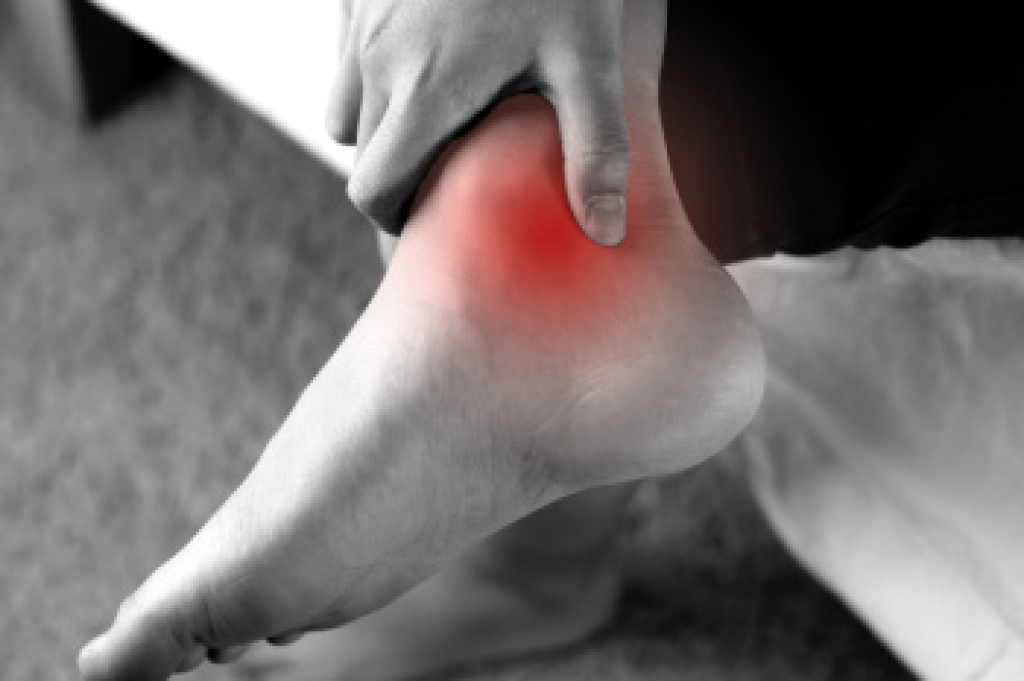
Podiatry is a medical specialty devoted to the diagnosis and treatment of conditions affecting the feet, ankles, and lower legs. People often seek help from a podiatrist because of pain, swelling, numbness, or changes in skin and nail appearance. These problems may be caused by injury, overuse, circulation problems, or chronic conditions such as diabetes. A podiatrist begins care with a detailed medical history and physical examination, followed by imaging or testing when appropriate. Treatment then progresses to personalized care plans that may include medication, custom orthotics, footwear guidance, targeted exercises, and preventive education. Podiatrists also address infections, wounds, and structural concerns, while helping patients protect their balance and mobility. Early podiatric care can reduce complications and support long-term foot health. If you have problematic foot or ankle conditions, it is suggested that you schedule an appointment with a podiatrist.

If you are dealing with pain in your feet and ankles, you may want to seek help from a podiatrist. Feel free to contact Gregory Rorick, DPM from Rorick Podiatry, PC. Our doctor can provide the care you need to keep you pain-free and on your feet.

What Is a Podiatrist?

A podiatrist is a doctor of podiatric medicine who diagnoses and treats conditions of the foot, ankle, and related structures of the leg. Your podiatrist may specialize in a certain field such as sports medicine, wound care, pediatrics, and diabetic care. Podiatrists have the ability to become board certified through training, clinical experience, and then taking an exam.

What Do Podiatrists Do?

On a daily basis, a podiatrist may perform the following activities:

  • Diagnose foot ailments such as ulcers, tumors, fractures, etc.
  • Use innovative methods to treat conditions
  • Use corrective orthotics, casts, and strappings to correct deformities
  • Correct walking patterns and balance
  • Provide individual consultations to patients

It is very important that you take care of your feet. It’s easy to take having healthy feet for granted, however foot problems tend to be among the most common health conditions. Podiatrists can help diagnose and treat a variety of feet related conditions, so it is crucial that you visit one if you need assistance.

If you have any questions, please feel free to contact our office located in New York Mills, Utica, NY . We offer the newest diagnostic and treatment technologies for all your foot care needs.
Read more about What is a Podiatrist?

Importance of Well-Fitted Ski Boots

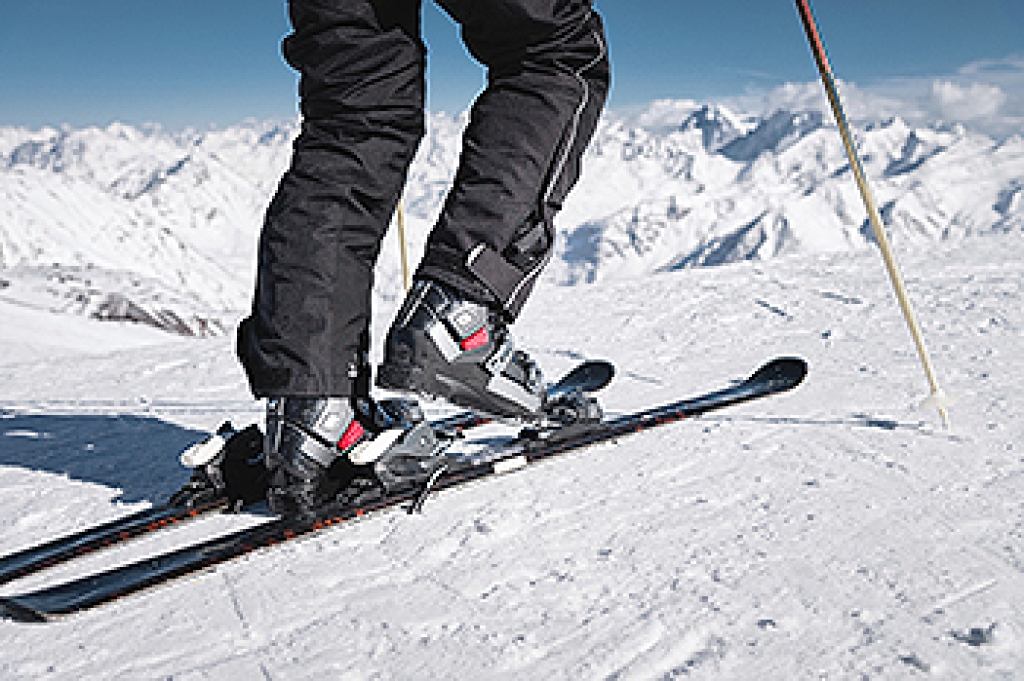
Well-fitted ski boots play an important role in comfort, performance, and injury prevention on the slopes. Ski boots that are too tight can restrict circulation and increase pressure on the toes, heel, and ankle, while loose boots allow excess movement that strains ligaments and tendons. Poor fit may contribute to numbness, blisters, bruised toenails, arch pain, and ankle instability during turns and sudden stops. Properly fitted ski boots help hold the foot and ankle in a neutral position, improving balance, control, and energy transfer to the skis. Fit concerns are often influenced by foot shape, arch height, calf size, and previous foot or ankle injuries. A podiatrist can evaluate foot structure, identify pressure areas, assess alignment, and recommend adjustments or modifications to reduce stress during skiing. For help with foot or ankle pain caused by skiing, it is suggested that you make an appointment with a podiatrist.

Sports related foot and ankle injuries require proper treatment before players can go back to their regular routines. For more information, contact Gregory Rorick, DPM of Rorick Podiatry, PC. Our doctor can provide the care you need to keep you pain-free and on your feet.

Sports Related Foot and Ankle Injuries

Foot and ankle injuries are a common occurrence when it comes to athletes of any sport. While many athletes dismiss the initial aches and pains, the truth is that ignoring potential foot and ankle injuries can lead to serious problems. As athletes continue to place pressure and strain the area further, a mild injury can turn into something as serious as a rupture and may lead to a permanent disability. There are many factors that contribute to sports related foot and ankle injuries, which include failure to warm up properly, not providing support or wearing bad footwear. Common injuries and conditions athletes face, including:

  • Plantar Fasciitis
  • Achilles Tendinitis
  • Achilles Tendon Rupture
  • Ankle Sprains

Sports related injuries are commonly treated using the RICE method. This includes rest, applying ice to the injured area, compression and elevating the ankle. More serious sprains and injuries may require surgery, which could include arthroscopic and reconstructive surgery. Rehabilitation and therapy may also be required in order to get any recovering athlete to become fully functional again. Any unusual aches and pains an athlete sustains must be evaluated by a licensed, reputable medical professional.

If you have any questions please contact our office located in New York Mills, Utica, NY . We offer the newest diagnostic and treatment technologies for all your foot and ankle needs.

Read more about Sports Related Foot and Ankle Injuries

Anterior Tarsal Tunnel Syndrome and Foot Nerve Compression

Anterior tarsal tunnel syndrome is a condition caused by compression of the deep peroneal nerve as it passes under the structures on the top of the foot. This compression can result from wearing tight shoes, repetitive activity, trauma, or swelling in the area. Symptoms include tingling, numbness, burning, or sharp pain between the first and second toes, as well as discomfort on the top of the foot that may worsen with activity or footwear pressure. Risk factors include engaging in activities that place repeated stress on the foot, wearing improperly fitting shoes, or having structural foot abnormalities. A podiatrist can diagnose the condition using a physical exam and imaging if needed, as well as recommend supportive footwear, orthotics, or anti inflammatory therapy. If you have pain in this part of your foot, it is suggested that you consult a podiatrist who can accurately diagnose and treat the condition.

Tarsal tunnel syndrome can be very uncomfortable to live with. If you are experiencing tarsal tunnel syndrome, contact Gregory Rorick, DPM of Rorick Podiatry, PC. Our doctor can provide the care you need to keep you pain-free and on your feet.

Tarsal Tunnel Syndrome

Tarsal tunnel syndrome, which can also be called tibial nerve dysfunction, is an uncommon condition of misfiring peripheral nerves in the foot. The tibial nerve is the peripheral nerve in the leg responsible for sensation and movement of the foot and calf muscles. In tarsal tunnel syndrome, the tibial nerve is damaged, causing problems with movement and feeling in the foot of the affected leg.

Common Cause of Tarsal Tunnel Syndrome

  • Involves pressure or an injury, direct pressure on the tibial nerve for an extended period of time, sometimes caused by other body structures close by or near the knee.
  • Diseases that damage nerves, including diabetes, may cause tarsal tunnel syndrome.
  • At times, tarsal tunnel syndrome can appear without an obvious cause in some cases.

The Effects of Tarsal Tunnel Syndrome

  • Different sensations, an afflicted person may experience pain, tingling, burning or other unusual sensations in the foot of the affected leg.
  • The foot muscles, toes and ankle become weaker, and curling your toes or flexing your foot can become difficult.
  • If condition worsens, infections and ulcers may develop on the foot that is experiencing the syndrome.

A physical exam of the leg can help identify the presence of tarsal tunnel syndrome. Medical tests, such as a nerve biopsy, are also used to diagnose the condition. Patients may receive physical therapy and prescriptive medication. In extreme cases, some may require surgery.

If you have any questions please contact our office located in New York Mills, Utica, NY . We offer the newest diagnostic and treatment technologies for all your foot and ankle needs.

Read more about Treating Tarsal Tunnel Syndrome

Foot Blisters and How to Protect Your Feet

Foot blisters are small pockets of fluid that form on the skin of the feet, often as a result of friction or pressure. They commonly develop from wearing poorly fitted shoes, engaging in extended physical activity, or sustaining burns such as a sunburn or frostbite. Symptoms include redness, swelling, pain, and fluid filled bumps that can make walking uncomfortable. Risk factors include moisture, high activity levels, abnormal foot shape, and sensitive skin. While most blisters generally heal naturally, improper care can lead to infection or prolonged discomfort. A podiatrist can provide safe treatment, protect the skin, address underlying causes, and recommend footwear or other protective measures. If you develop frequent foot blisters, or if they become infected, it is suggested that you consult a podiatrist who can guide you toward effective relief and prevention solutions.

Blisters are prone to making everyday activities extremely uncomfortable. If your feet are hurting, contact Gregory Rorick, DPM of Rorick Podiatry, PC. Our doctor can provide the care you need to keep you pain-free and on your feet.

Foot Blisters

Foot blisters develop as a result of constantly wearing tight or ill-fitting footwear. This happens due to the constant rubbing from the shoe, which can often lead to pain.

What Are Foot Blisters?

A foot blister is a small fluid-filled pocket that forms on the upper-most layer of the skin. Blisters are filled with clear fluid and can lead to blood drainage or pus if the area becomes infected.

How Do Blisters Form?

Blisters on the feet are often the result of constant friction of skin and material, usually by shoe rubbing. Walking in sandals, boots, or shoes that don’t fit properly for long periods of time can result in a blister. Having consistent foot moisture and humidity can easily lead to blister formation.

Prevention & Treatment

It is important to properly care for the affected area in order to prevent infection and ease the pain. Do not lance the blister and use a Band-Aid to provide pain relief. Also, be sure to keep your feet dry and wear proper fitting shoes. If you see blood or pus in a blister, seek assistance from a podiatrist.

If you have any questions, please feel free to contact our office located in New York Mills, Utica, NY . We offer the newest diagnostic and treatment technologies for all your foot care needs.

Read more about Blisters
scroll to top