
Plantar warts are small growths that develop on parts of the feet that bear weight. They're typically found on the bottom of the foot. Don't live with plantar warts, and call us today!
Plantar warts are small growths that develop on parts of the feet that bear weight. They're typically found on the bottom of the foot. Don't live with plantar warts, and call us today!

Tarsal tunnel syndrome is a condition where the tibial nerve, located near the ankle, becomes compressed as it passes through the tarsal tunnel, a narrow space inside the ankle. This can cause pain, tingling, and numbness in the foot and ankle, often radiating into the toes. Symptoms may worsen with prolonged standing, walking, or physical activity. A podiatrist diagnoses tarsal tunnel syndrome through a physical examination, reviewing the patient’s symptoms, and conducting tests, such as nerve conduction studies or imaging, to identify nerve compression. Treatment usually begins with conservative methods like rest and targeted stretching exercises to alleviate pressure on the tibial nerve. In some cases, corticosteroid injections may be used to reduce inflammation and in severe cases surgery may be needed to release the compressed nerve. If you have symptoms as described, it is suggested that you schedule an appointment with a podiatrist who can offer relief that will restore function to the affected foot.
Tarsal tunnel syndrome can be very uncomfortable to live with. If you are experiencing tarsal tunnel syndrome, contact Gregory Rorick, DPM of Rorick Podiatry, PC. Our doctor can provide the care you need to keep you pain-free and on your feet.
Tarsal Tunnel Syndrome
Tarsal tunnel syndrome, which can also be called tibial nerve dysfunction, is an uncommon condition of misfiring peripheral nerves in the foot. The tibial nerve is the peripheral nerve in the leg responsible for sensation and movement of the foot and calf muscles. In tarsal tunnel syndrome, the tibial nerve is damaged, causing problems with movement and feeling in the foot of the affected leg.
Common Cause of Tarsal Tunnel Syndrome
The Effects of Tarsal Tunnel Syndrome
A physical exam of the leg can help identify the presence of tarsal tunnel syndrome. Medical tests, such as a nerve biopsy, are also used to diagnose the condition. Patients may receive physical therapy and prescriptive medication. In extreme cases, some may require surgery.
If you have any questions please contact our office located in New York Mills, Utica, NY . We offer the newest diagnostic and treatment technologies for all your foot and ankle needs.
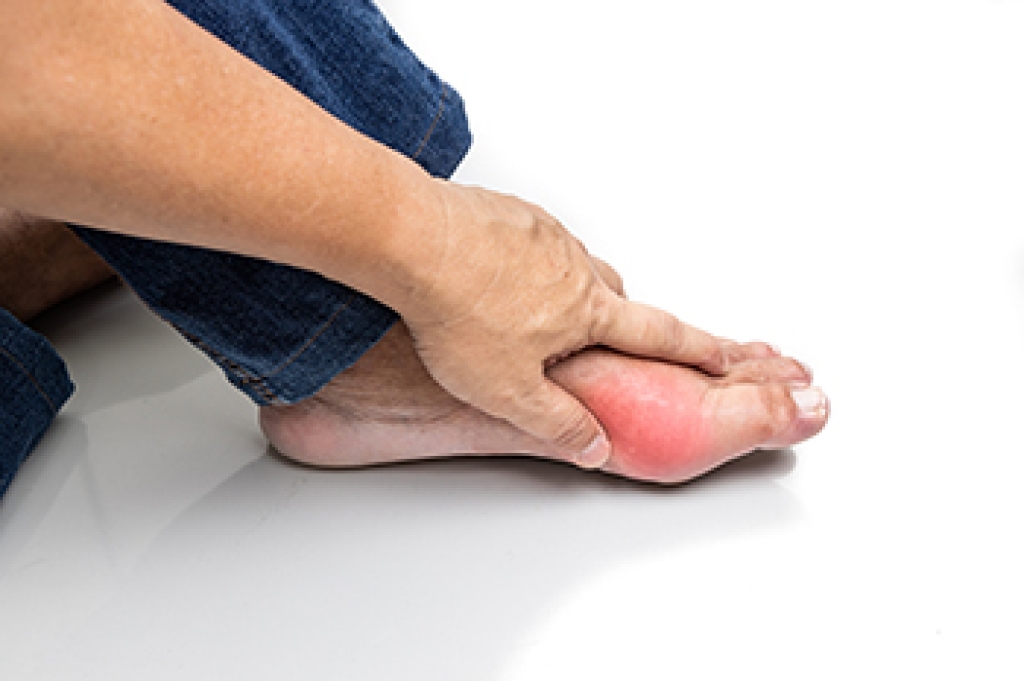
Certain factors increase the chance of gout, which causes severe pain in the feet. High uric acid levels place stress on the joints, especially around the big toe where gout attacks often begin. The problem occurs when the kidneys do not clear uric acid waste efficiently. Eating large amounts of foods high in purines, drinking alcohol, or consuming beverages with high fructose corn syrup can raise uric acid even more. Extra body weight increases pressure on the feet and can contribute to higher uric acid levels over time. Some health conditions, such as kidney problems or metabolic issues, also raise the likelihood of a painful gout flare-up in the toes or ankles. Wearing shoes that lack adequate support, or flip-flops to replace proper footwear, can place added pressure on an already irritated big-toe joint. A podiatrist can examine swollen joints, review flare patterns, and recommend supportive devices that help reduce strain on painful areas. If you have symptoms of gout, it is suggested that you make an appointment with a podiatrist for a diagnosis and help managing this painful condition.
Gout is a foot condition that requires certain treatment and care. If you are seeking treatment, contact Gregory Rorick, DPM from Rorick Podiatry, PC. Our doctor will treat your foot and ankle needs.
What Is Gout?
Gout is a type of arthritis caused by a buildup of uric acid in the bloodstream. It often develops in the foot, especially the big toe area, although it can manifest in other parts of the body as well. Gout can make walking and standing very painful and is especially common in diabetics and the obese.
People typically get gout because of a poor diet. Genetic predisposition is also a factor. The children of parents who have had gout frequently have a chance of developing it themselves.
Gout can easily be identified by redness and inflammation of the big toe and the surrounding areas of the foot. Other symptoms include extreme fatigue, joint pain, and running high fevers. Sometimes corticosteroid drugs can be prescribed to treat gout, but the best way to combat this disease is to get more exercise and eat a better diet.
If you have any questions, please feel free to contact our office located in New York Mills, Utica, NY . We offer the newest diagnostic and treatment technologies for all your foot care needs.
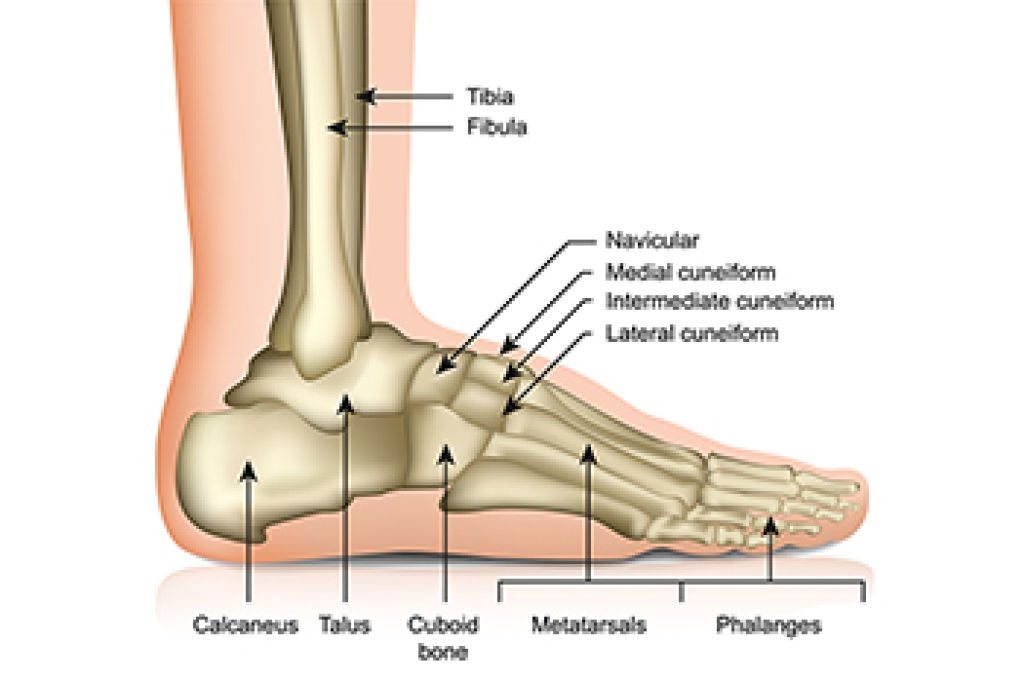
The foot is a complex structure designed to support your body and keep you moving with ease. It contains 28 bones that work together with strong ligaments, flexible tendons, and stable ankle joints to create balance and motion. These parts allow the foot to perform essential actions such as plantar flexion, which helps you point your toes and push off while walking. When any part of this structure becomes strained or injured, pain and mobility problems can follow. A podiatrist can evaluate how your bones, ligaments, and tendons are functioning, and provide treatment to restore proper movement and comfort. If you have sustained a foot injury or have difficulty walking, it is suggested that you consult a podiatrist who can treat various foot and ankle conditions, and answer any questions you may have about foot anatomy.
If you have any concerns about your feet, contact Gregory Rorick, DPM from Rorick Podiatry, PC. Our doctor can provide the care you need to keep you pain-free and on your feet.
Biomechanics in Podiatry
Podiatric biomechanics is a particular sector of specialty podiatry with licensed practitioners who are trained to diagnose and treat conditions affecting the foot, ankle and lower leg. Biomechanics deals with the forces that act against the body, causing an interference with the biological structures. It focuses on the movement of the ankle, the foot and the forces that interact with them.
A History of Biomechanics
Modern technological improvements are based on past theories and therapeutic processes that provide a better understanding of podiatric concepts for biomechanics. Computers can provide accurate information about the forces and patterns of the feet and lower legs.
Understanding biomechanics of the feet can help improve and eliminate pain, stopping further stress to the foot.
If you have any questions please feel free to contact our office located in New York Mills, Utica, NY . We offer the newest diagnostic and treatment technologies for all your foot and ankle needs.
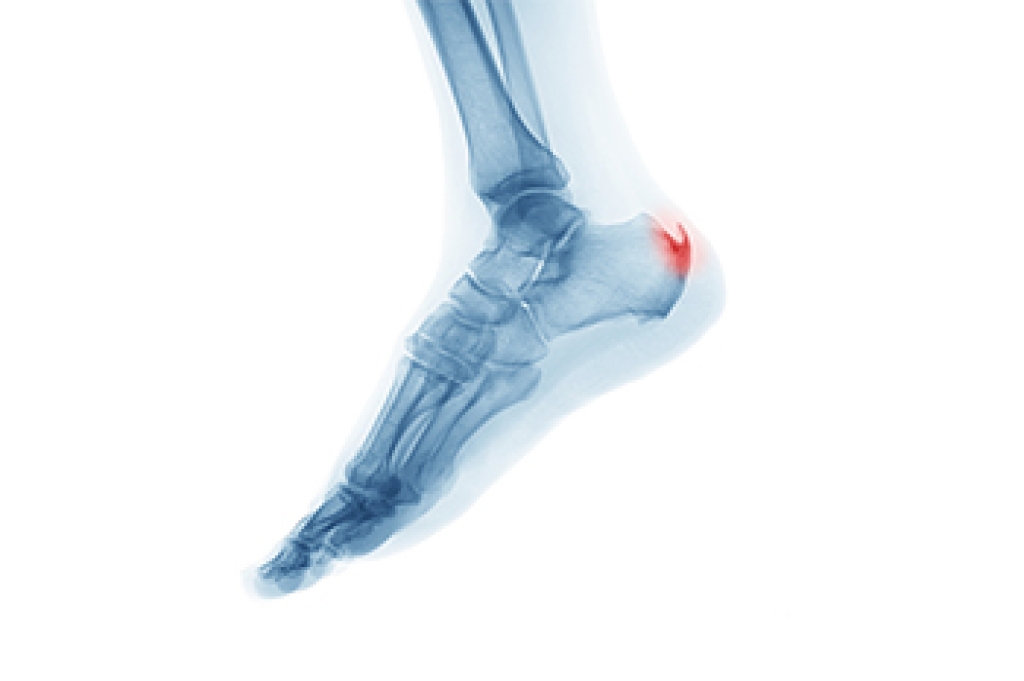
Heel spurs are bony growths that develop on the heel due to stress and inflammation in surrounding tissues. They are commonly seen in two forms. Heel spur syndrome affects the bottom of the heel, and insertional Achilles tendinitis affects the back of the heel where the tendon attaches. Risk factors include flat feet, high arches, excess weight, tight calf muscles, and repetitive impact activities. Symptoms may involve sharp heel pain, stiffness, and discomfort during the first steps of the day. A podiatrist can diagnose the condition, offer custom treatments, and provide guidance to relieve pain and improve function. If heel pain is limiting your daily life, it is suggested that you consult a podiatrist who can offer effective relief and treatment solutions.
Heel spurs can be incredibly painful and sometimes may make you unable to participate in physical activities. To get medical care for your heel spurs, contact Gregory Rorick, DPM from Rorick Podiatry, PC. Our doctor will do everything possible to treat your condition.
Heels Spurs
Heel spurs are formed by calcium deposits on the back of the foot where the heel is. This can also be caused by small fragments of bone breaking off one section of the foot, attaching onto the back of the foot. Heel spurs can also be bone growth on the back of the foot and may grow in the direction of the arch of the foot.
Older individuals usually suffer from heel spurs and pain sometimes intensifies with age. One of the main condition's spurs are related to is plantar fasciitis.
Pain
The pain associated with spurs is often because of weight placed on the feet. When someone is walking, their entire weight is concentrated on the feet. Bone spurs then have the tendency to affect other bones and tissues around the foot. As the pain continues, the feet will become tender and sensitive over time.
Treatments
There are many ways to treat heel spurs. If one is suffering from heel spurs in conjunction with pain, there are several methods for healing. Medication, surgery, and herbal care are some options.
If you have any questions, please feel free to contact our office located in New York Mills, Utica, NY . We offer the newest diagnostic and treatment technologies for all your foot care needs.
