
Gout is a painful, inflammatory form of arthritis. Those affected will typically feel an intense stiffness in the joints of their feet, particularly in the big toe. Schedule a visit to learn about how gout can be managed and treated.
Gout is a painful, inflammatory form of arthritis. Those affected will typically feel an intense stiffness in the joints of their feet, particularly in the big toe. Schedule a visit to learn about how gout can be managed and treated.
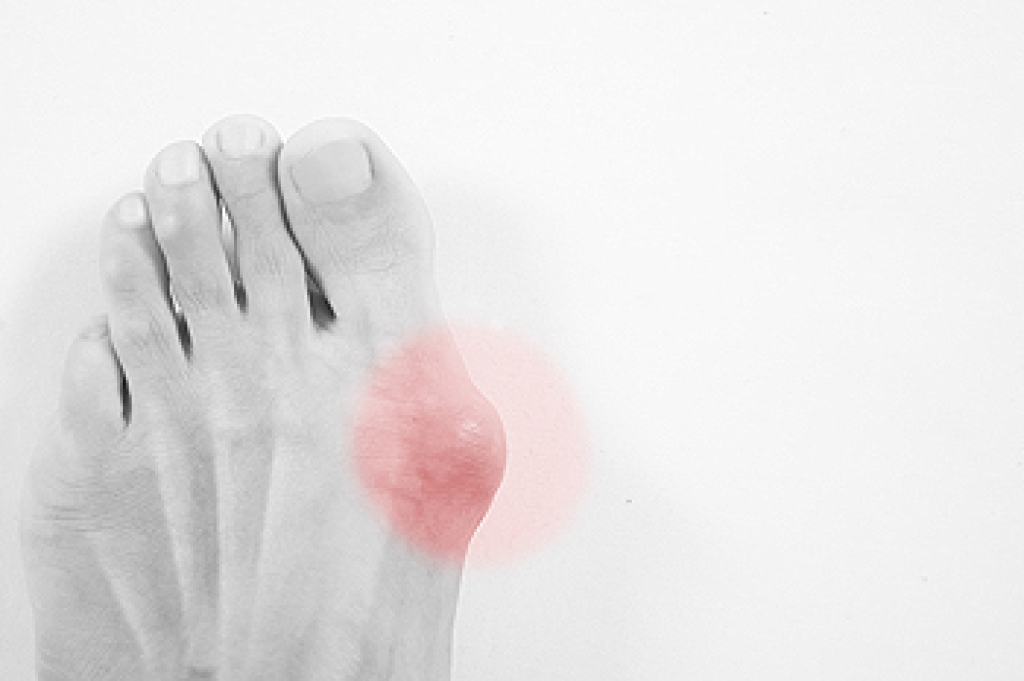
Bunions are a foot problem that can change the shape of the big toe joint. A bunion forms when the big toe moves toward the other toes while the joint at its base becomes more prominent. This can create a bump along the inside of the foot. Bunions may develop slowly, and symptoms can seem minor. Over time, the area may become painful, swollen, or irritated by shoes.
Several factors can contribute to bunion development. Genetics can play an important role because inherited foot structure may make someone more likely to develop a bunion. Wearing high heels can increase pressure on the front of the foot and push the toes into a narrow space. Arthritis can contribute to changes that encourage bunion formation. Causes include abnormal foot mechanics and repeated stress. Bunions are not caused by one factor alone.
Common symptoms include pain around the big toe, redness, and tenderness. People may develop thickened skin or a callus where the foot rubs against footwear. The big toe may lean toward the second toe, making shoes difficult to wear. Risk factors include arthritis and footwear that squeezes the toes. Activities that place repeated pressure on the forefoot may also make symptoms noticeable.
A podiatrist can examine the foot, evaluate alignment, and determine whether arthritis or another condition is contributing to symptoms. Treatment may begin with wider shoes, protective padding, or other ways to reduce pressure. Custom orthotics may help improve foot mechanics when appropriate. If pain continues, a podiatrist may discuss treatment options and determine whether surgery is needed to correct alignment. If you have developed a bunion, it is suggested that you consult a podiatrist for effective relief and management solutions.
If you are suffering from bunion pain, contact Gregory Rorick, DPM of Rorick Podiatry, PC. Our doctor can provide the care you need to keep you pain-free and on your feet.
What Is a Bunion?
Bunions are painful bony bumps that usually develop on the inside of the foot at the joint of the big toe. As the deformity increases over time, it may become painful to walk and wear shoes. Women are more likely to exacerbate existing bunions since they often wear tight, narrow shoes that shift their toes together. Bunion pain can be relieved by wearing wider shoes with enough room for the toes.
Causes
Symptoms
In order to diagnose your bunion, your podiatrist may ask about your medical history, symptoms, and general health. Your doctor might also order an x-ray to take a closer look at your feet. Nonsurgical treatment options include orthotics, padding, icing, changes in footwear, and medication. If nonsurgical treatments don’t alleviate your bunion pain, surgery may be necessary.
If you have any questions, please feel free to contact our office located in New York Mills, Utica, NY . We offer the newest diagnostic and treatment technologies for all your foot care needs.

Foot blisters from hiking are fluid-filled pockets that form when repeated friction irritates the skin. They commonly appear on the heel, toes, or ball of the foot while walking. Symptoms include tenderness, redness, and a raised fluid-filled area. The first few days of hiking are important because your feet are adjusting to increased distance and footwear. Blisters often develop in the same spot when friction continues against vulnerable skin. Recognizing early irritation can help prevent a hiking blister from worsening.
Poorly fitting hiking boots can allow foot movement, while tight shoes can create pressure points. Moisture from sweat can soften the skin and increase friction. Rough socks, longer hikes, and sudden increases in mileage may also contribute. Uneven trails can cause your feet to slide inside footwear, creating repeated rubbing. A blister may recur because that area remains vulnerable to friction. Properly fitted boots can lower risk.
If a blister develops, protect the area and avoid popping it to avoid an infection. Keep the area clean and covered. A podiatrist can examine the blister, check for infection, and determine whether drainage is needed. If necessary, the podiatrist can clean the area using sterile techniques. The podiatrist may recommend padding or footwear changes to reduce friction while healing. Increasing redness, swelling, or pain should receive prompt attention.
Preventing hiking blisters starts before hitting the trail. Break in hiking boots gradually and watch for hot spots. Stop when you notice rubbing and adjust your footwear. Keep feet dry and use padding over blister-prone areas. Inspect your feet after hiking and allow irritated skin to recover. If you frequently have foot blisters from hiking, it is suggested that you consult a podiatrist for effective relief and prevention tips.
Blisters are prone to making everyday activities extremely uncomfortable. If your feet are hurting, contact Gregory Rorick, DPM of Rorick Podiatry, PC. Our doctor can provide the care you need to keep you pain-free and on your feet.
Foot Blisters
Foot blisters develop as a result of constantly wearing tight or ill-fitting footwear. This happens due to the constant rubbing from the shoe, which can often lead to pain.
What Are Foot Blisters?
A foot blister is a small fluid-filled pocket that forms on the upper-most layer of the skin. Blisters are filled with clear fluid and can lead to blood drainage or pus if the area becomes infected.
How Do Blisters Form?
Blisters on the feet are often the result of constant friction of skin and material, usually by shoe rubbing. Walking in sandals, boots, or shoes that don’t fit properly for long periods of time can result in a blister. Having consistent foot moisture and humidity can easily lead to blister formation.
Prevention & Treatment
It is important to properly care for the affected area in order to prevent infection and ease the pain. Do not lance the blister and use a Band-Aid to provide pain relief. Also, be sure to keep your feet dry and wear proper fitting shoes. If you see blood or pus in a blister, seek assistance from a podiatrist.
If you have any questions, please feel free to contact our office located in New York Mills, Utica, NY . We offer the newest diagnostic and treatment technologies for all your foot care needs.
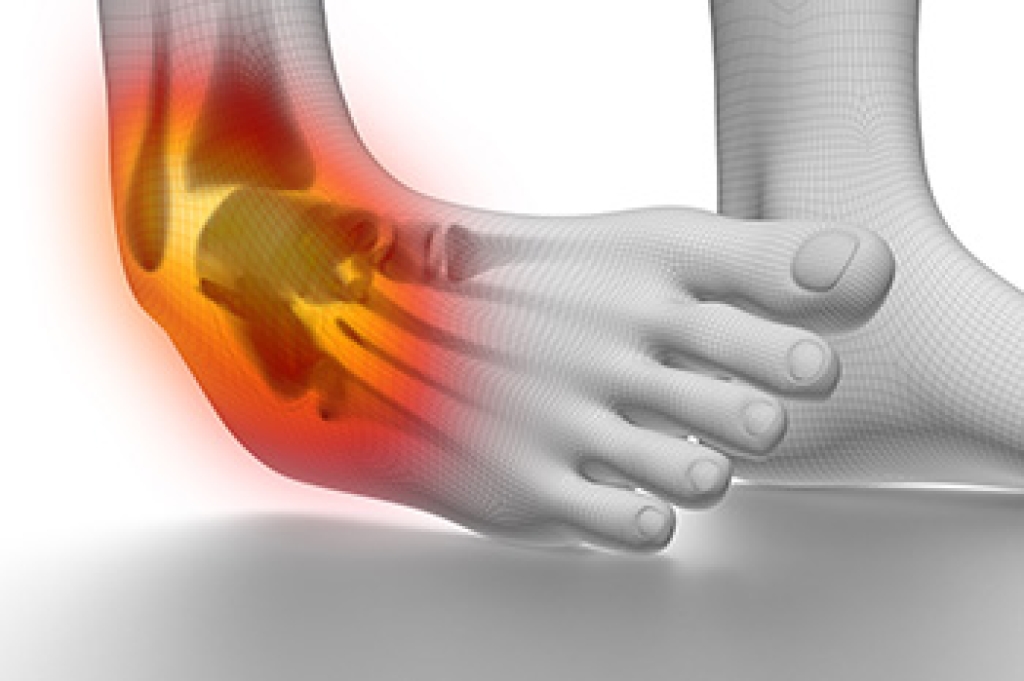
Ankle instability occurs when the ankle repeatedly feels weak or unsteady during movement. It often develops after an ankle sprain that did not fully heal. Damaged or stretched ligaments may struggle to keep the joint stable. Common symptoms include ankle pain, weakness, and a feeling that the ankle may give way. Some people notice instability when walking on uneven ground, while others experience discomfort after exercise. Repeated episodes can make everyday movement less comfortable.
Several factors can increase the risk of chronic ankle instability. Previous ankle sprains are among the most common causes. Repeated injuries can weaken supporting ligaments and reduce joint stability. Sports involving running, jumping, or quick direction changes can increase ankle stress. Poorly supportive footwear may contribute to instability. Muscle weakness around the ankle can make balance difficult. Certain foot alignment concerns may change weight distribution, and walking on uneven surfaces can also increase risk.
A podiatrist starts by reviewing your symptoms, injury history, and previous treatments. An examination can assess ankle strength, balance, and ligament stability. X-rays may help rule out fractures or other bone problems and additional imaging tests may be recommended when ligament damage is suspected. Treatment focuses on improving stability while reducing pain. A podiatrist may recommend supportive shoes, ankle bracing, or activity changes. Targeted exercises may improve strength and balance.
Ankle instability can interfere with walking, exercise, and confidence. Persistent pain or weakness should not be ignored, especially when your ankle repeatedly gives way. Evaluation can help identify the problem and reduce the risk of injuries. A podiatrist can develop a treatment plan based on your symptoms and ankle condition. Early treatment may help restore stability. If you are experiencing ankle instability, it is suggested that you consult a podiatrist for an accurate diagnosis and appropriate treatment.
Ankle pain can have many different causes and the pain may potentially be serious. If you have ankle pain, consult with Gregory Rorick, DPM from Rorick Podiatry, PC. Our doctor will assess your condition and provide you with quality foot and ankle treatment.
Ankle pain is any condition that causes pain in the ankle. Due to the fact that the ankle consists of tendons, muscles, bones, and ligaments, ankle pain can come from a number of different conditions.
Causes
The most common causes of ankle pain include:
Symptoms
Symptoms of ankle injury vary based upon the condition. Pain may include general pain and discomfort, swelling, aching, redness, bruising, burning or stabbing sensations, and/or loss of sensation.
Diagnosis
Due to the wide variety of potential causes of ankle pain, podiatrists will utilize a number of different methods to properly diagnose ankle pain. This can include asking for personal and family medical histories and of any recent injuries. Further diagnosis may include sensation tests, a physical examination, and potentially x-rays or other imaging tests.
Treatment
Just as the range of causes varies widely, so do treatments. Some more common treatments are rest, ice packs, keeping pressure off the foot, orthotics and braces, medication for inflammation and pain, and surgery.
If you have any questions please feel free to contact our office located in New York Mills, Utica, NY . We offer the newest diagnostic tools and technology to treat your foot and ankle needs.

The plantar fascia is a strong band of tissue that runs along the bottom of the foot and helps support the arch. A sharp pain near the heel with the first morning steps can be a sign of plantar fasciitis. This painful condition usually causes a sharp or aching pain near the heel. Pain is frequently strongest with the first steps after getting out of bed or standing after a long rest. It can ease after a few minutes of movement, but return after activity. Some patients also notice stiffness or tenderness along the bottom of the foot.
Repeated strain can place too much stress on the plantar fascia. Risk factors include a sudden increase in exercise, long hours spent standing, and tight calf muscles. Flat feet or high arches can also change how pressure moves through the foot. Other possible causes include excess body weight and shoes that lack proper support. Runners, dancers, and workers who spend time on hard floors can be more likely to develop symptoms. Because several problems can cause similar heel pain, an accurate diagnosis is important before treatment begins.
A podiatrist can examine the foot, review when the pain occurs, and check the patient's range of motion. X-rays or other imaging tests can help rule out a fracture, arthritis, or another cause of heel pain. Treatment by a podiatrist includes custom orthotics, supportive shoe recommendations, and a guided stretching program. This foot doctor may also suggest wearing a night splint or temporary walking boot to reduce strain. Surgery is rarely required, but it can be considered for severe pain that continues despite other care. Early evaluation can help prevent the pain from limiting work, exercise, and everyday movement. It can also support a safer return to activity. If you have symptoms of plantar fasciitis, it is suggested that you schedule an appointment with a podiatrist for effective relief and treatment solutions.
Plantar fasciitis can be very painful and inconvenient. If you are experiencing heel pain or symptoms of plantar fasciitis, contact Gregory Rorick, DPM from Rorick Podiatry, PC. Our doctor can provide the care you need to keep you pain-free and on your feet.
What Is Plantar Fasciitis?
Plantar fasciitis is the inflammation of the thick band of tissue that runs along the bottom of your foot, known as the plantar fascia, and causes mild to severe heel pain.
What Causes Plantar Fasciitis?
How Can It Be Treated?
While very treatable, plantar fasciitis is definitely not something that should be ignored. Especially in severe cases, speaking to your doctor right away is highly recommended to avoid complications and severe heel pain. Your podiatrist can work with you to provide the appropriate treatment options tailored to your condition.
If you have any questions, please feel free to contact our office located in New York Mills, Utica, NY . We offer the newest diagnostic and treatment technologies for all your foot care needs.
